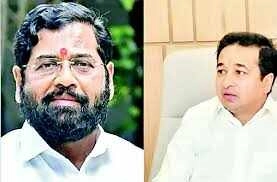
A recent statement in Maharashtra’s political landscape has sparked a significant uproar, particularly focusing on former Chief Minister Prithviraj Chavan. The remarks made have drawn sharp criticism from prominent political figures, notably Eknath Shinde and Nitesh Rane. This incident highlights the intense rivalries and the charged atmosphere prevalent in Maharashtra’s political scene.
Eknath Shinde, currently serving as the Chief Minister, expressed his displeasure over Chavan’s comments, labeling them as baseless and provocative. Shinde emphasized the need for constructive dialogue in politics rather than resorting to personal attacks. His reaction reflects the growing tensions among political parties in Maharashtra, where statements can quickly escalate into larger disputes. Additionally, Nitesh Rane, a key member of the opposition, echoed Shinde’s sentiments, asserting that such remarks undermine the dignity of political discourse and can lead to unnecessary confrontations.
The political dynamics in Maharashtra are characterized by a complex interplay of alliances and rivalries, and this incident underscores how easily the situation can become volatile. Both Shinde’s and Rane’s responses indicate a desire to maintain a certain level of decorum in political discussions, despite the often heated nature of electoral competition. This episode serves as a reminder of the delicate balance that exists in Maharashtra’s political arena, where every statement can have far-reaching implications for party relations and public perception.
As the political climate continues to evolve, it remains to be seen how these tensions will affect future interactions between the parties involved. The repercussions of this statement may resonate in upcoming electoral strategies and public engagements, making it crucial for leaders to navigate their rhetoric carefully. The focus now shifts to how this incident will influence the larger political discourse in Maharashtra and whether it will lead to any significant changes in the ongoing political strategy among the parties involved.