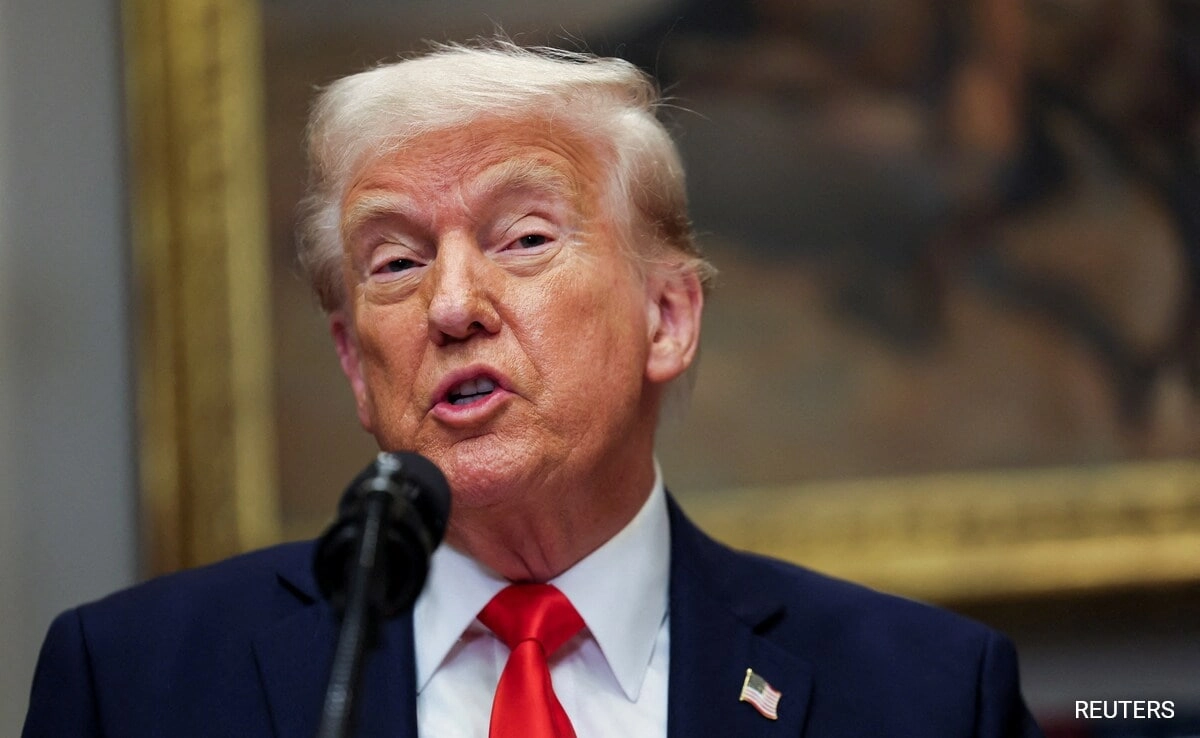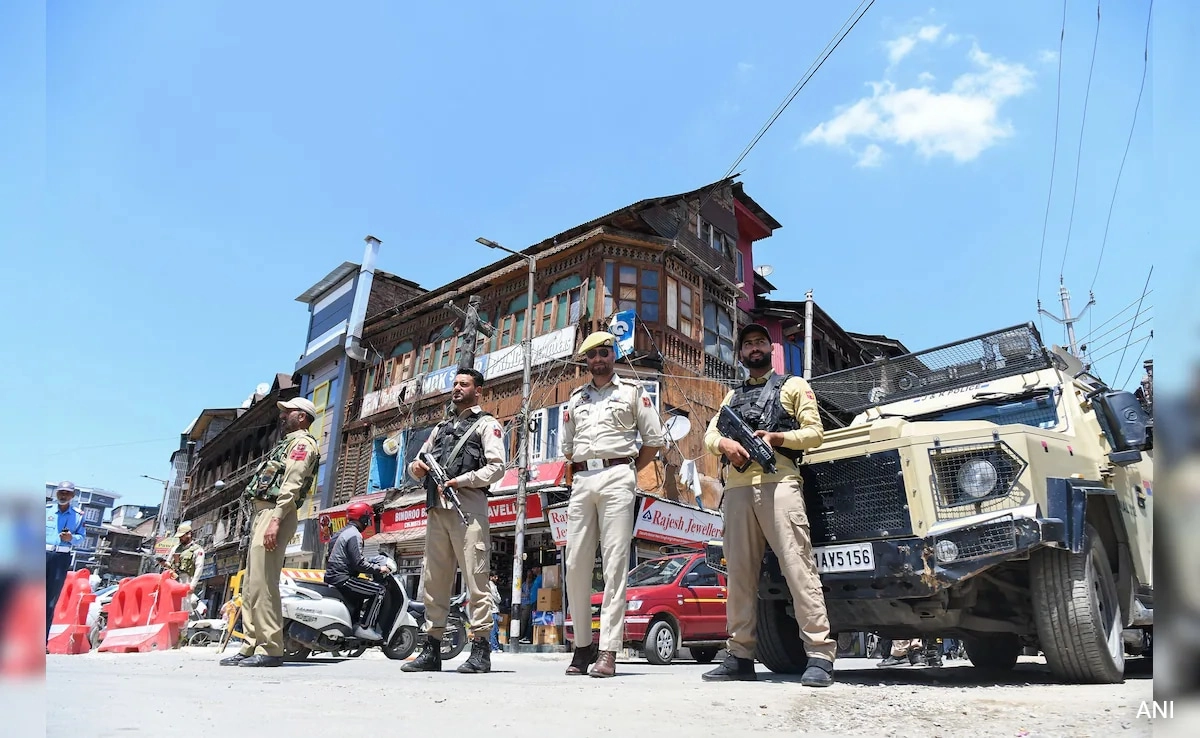
In a recent statement, Indian Prime Minister highlighted the significant impact of military operations conducted over a brief span of three days, asserting that India has inflicted unprecedented damage on Pakistan. This declaration comes amidst heightened tensions between the two neighboring countries, which have a long history of conflict and rivalry. The Prime Minister emphasized the strategic success of these operations, suggesting that they mark a turning point in the ongoing struggle for national security and regional stability.
The Prime Minister’s remarks not only reflect a sense of national pride but also serve as a rallying point for the Indian populace, reinforcing the government’s commitment to safeguarding its sovereignty. In the wake of these military actions, there is an underlying narrative of resilience and strength that the government seeks to project, aiming to bolster public support and international perception. This situation underscores the complexities of Indo-Pak relations, where military engagements often escalate tensions and provoke reactions from both sides.
Furthermore, the Prime Minister’s statement raises questions about the future dynamics of peace and dialogue between India and Pakistan. While the Indian government portrays these actions as necessary for national security, they also risk igniting further conflict and destabilizing the region. The international community watches closely, as any miscalculation could lead to broader implications for South Asia. As both nations navigate this delicate situation, the hope for a diplomatic resolution remains, albeit amid the backdrop of military posturing and geopolitical maneuvering.
In summary, the Prime Minister’s assertion of significant damage inflicted on Pakistan within a short timeframe encapsulates the ongoing complexities of the relationship between India and Pakistan. As both countries grapple with their respective narratives and national interests, the focus remains on finding a balance between military readiness and diplomatic efforts to foster long-term peace and stability in the region. The unfolding events will likely shape not only the bilateral relations but also the broader security landscape of South Asia in the coming months.