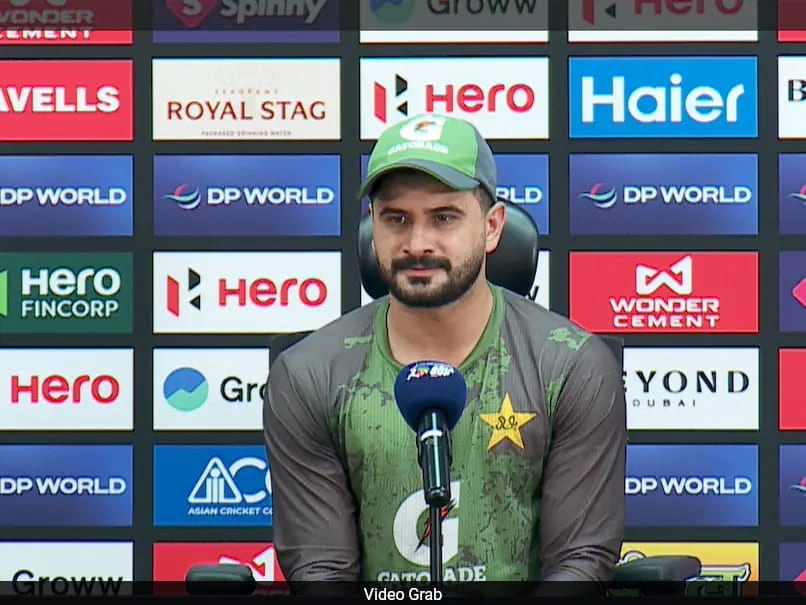
In a recent turn of events, a prominent star from Pakistan has taken to social media to address the controversy surrounding his provocative gesture, which involved an imitation of an AK-47 gun aimed at India. This incident, stemming from a heated cricket match between the two nations, has ignited a firestorm of reactions from fans and political commentators alike. The gesture was perceived by many as a direct affront to India, especially considering the historical and ongoing tensions between the two countries. The Pakistani cricketer’s actions have not only drawn ire from fans but also raised concerns about the role of athletes as representatives of their nations.
In his statement, the star expressed a sense of frustration over the backlash, asserting, “I don’t care” about the negative attention his actions have garnered. He emphasized that sports should be seen as a platform for healthy competition rather than a ground for political disputes. His remarks reflect a sentiment shared by many athletes who often find themselves at the center of nationalistic fervor, caught between their passion for the game and the expectations placed upon them by their countries. The cricketer added that while he respects the heritage and sentiments of his fans, he believes that expressing oneself in a moment of excitement should not be misconstrued as an act of aggression.
The athlete’s comments have sparked a wider discussion about the responsibilities of sports figures in politically charged contexts. Many argue that athletes, due to their visibility and influence, should be more mindful of their actions, especially in a region where sports often intertwine with national pride and identity. The cricketer’s perspective, however, emphasizes the human side of sportsmanship—where emotions can run high, and gestures can sometimes cross the line into contentious territory. His declaration of indifference has resonated with some fans who advocate for a more relaxed interpretation of athletes’ conduct during intense moments.
As the debate continues, it remains crucial for sports organizations and governing bodies to establish clear guidelines regarding athletes’ behavior on and off the field. The incident serves as a reminder of the fine line that sports figures walk in representing their countries while also maintaining their individuality. The Pakistani star’s gesture and subsequent comments highlight the ongoing complexities of sports as a medium for both unity and division, reflecting the broader socio-political landscape that often influences perceptions and reactions in such high-stakes environments. Ultimately, the conversation moves beyond a single gesture to encompass the larger narratives of identity, nationalism, and the role of sports in bridging or widening divides.