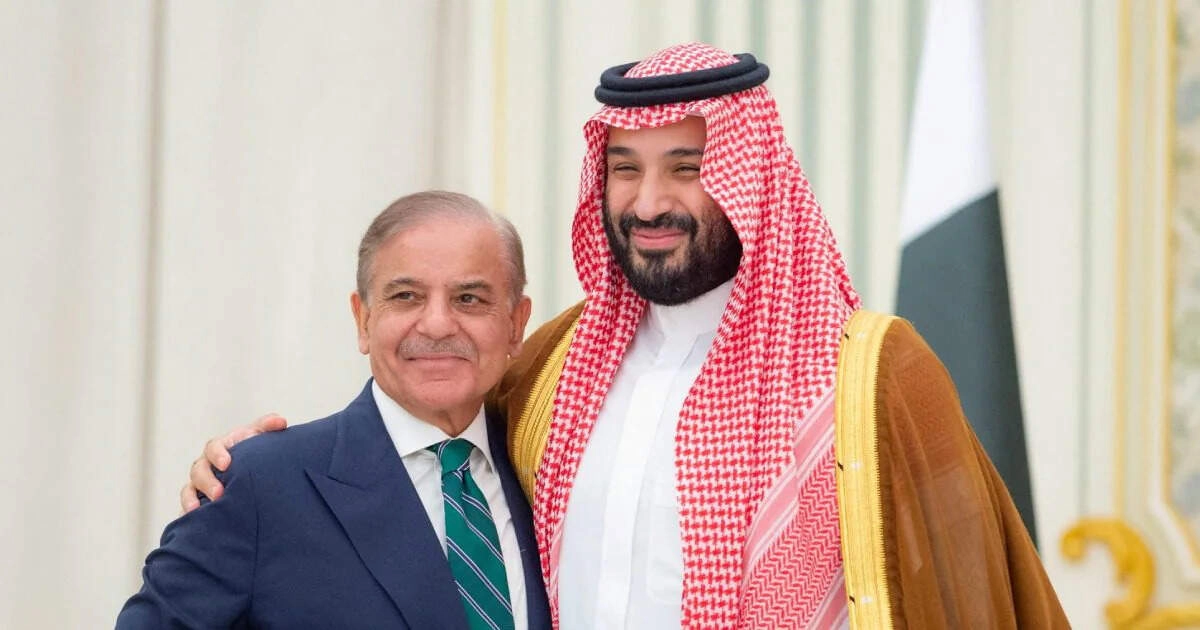
The economic tensions between Pakistan and the Gulf countries have become increasingly pronounced, especially with the recent stringent measures taken by the United Arab Emirates (UAE). The UAE, known for its significant financial influence in the region, has implemented strict regulations that could further complicate Pakistan’s already challenging economic situation. The situation raises a crucial question: where will Prime Minister Shahbaz Sharif find the necessary $2 billion to stabilize the economy and meet the demands of both domestic and international stakeholders?
Pakistan’s economic landscape has been fragile for some time, characterized by high inflation, dwindling foreign reserves, and a growing trade deficit. The country’s reliance on financial assistance and remittances from Gulf countries has made it particularly vulnerable to shifts in diplomatic and economic relations. The UAE’s recent actions may signal a broader reassessment of its financial commitments to Pakistan, leaving the government scrambling for alternative sources of funding. This predicament highlights the necessity for Pakistan to diversify its economic partnerships and reduce dependence on any single country.
In light of these challenges, Shahbaz Sharif’s administration faces mounting pressure to devise a robust economic strategy. Engaging with international financial institutions, seeking investment from friendly nations, and fostering domestic economic reforms will be crucial steps. The government must also work toward restoring investor confidence and addressing structural issues within the economy. As Pakistan navigates this turbulent economic landscape, it is imperative for its leadership to adopt a proactive approach to secure the necessary funds and stabilize the nation’s financial standing. The path ahead is fraught with obstacles, but with strategic planning and international cooperation, there may still be a way forward for Pakistan amidst the ongoing economic crisis.