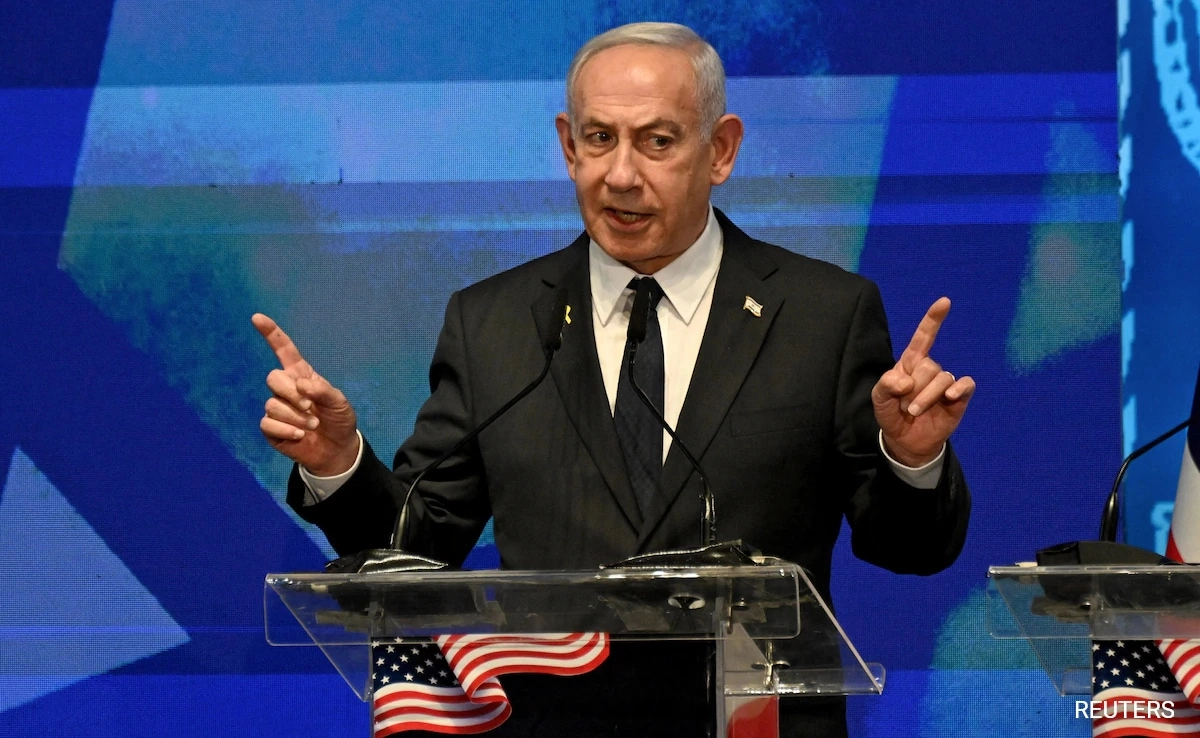
In a recent statement, Israeli Prime Minister Benjamin Netanyahu addressed the United Kingdom and Canada regarding the ongoing conflict with Palestine, emphasizing the need for a reevaluation of how the international community perceives and responds to acts of terrorism. Netanyahu’s comments come in the context of rising tensions and increasing violence in the region, where he argues that rewarding terrorist organizations with concessions only serves to perpetuate the cycle of violence and instability. He asserts that any peace process must be predicated on a clear understanding that terrorism cannot be tolerated or incentivized.
Netanyahu’s remarks reflect a growing concern among Israeli leadership that the current approaches to resolving the Israeli-Palestinian conflict may inadvertently embolden extremist groups. By framing the issue as one of rewarding terror with significant political or financial concessions, he calls for a more robust stance against entities that engage in violence rather than dialogue. This perspective seeks to galvanize support from allied nations, urging them to adopt policies that prioritize security and reject any form of negotiation that might legitimize terrorist organizations.
The implications of Netanyahu’s statements extend beyond mere rhetoric; they highlight the complexities of international diplomacy in the Middle East. Countries like the UK and Canada, with significant influence in global affairs, find themselves at a crossroads. Their responses to the Israeli-Palestinian conflict could shape not only regional stability but also their own domestic and foreign policies. In this context, Netanyahu’s call to action may serve as a pivotal moment in redefining the parameters of international engagement with the Palestinian cause, urging allies to reconsider their strategies in light of the ongoing violence.
As the situation continues to evolve, the dialogue surrounding peace and security in the region remains fraught with challenges. Netanyahu’s insistence on a firm stance against terrorism resonates with many in Israel who fear that any softening of policy might lead to further attacks and a deterioration of security for Israeli citizens. Consequently, the international community faces the delicate task of balancing humanitarian concerns with the pressing need for security, as they navigate the intricacies of a conflict that has persisted for decades.