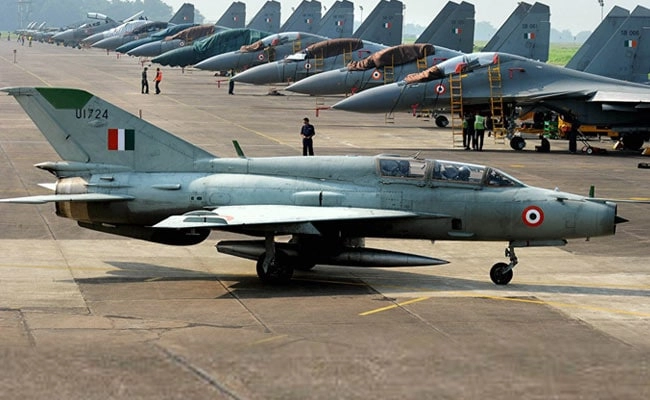
The MiG-21 fighter jet, a prominent aircraft in the Indian Air Force’s fleet for decades, is set to be phased out by September. This decision marks the end of an era for a fighter jet that has been a workhorse for the Indian military since its induction in the 1960s. Initially designed by the Soviet Union, the MiG-21 was known for its speed and agility, making it a formidable adversary in aerial combat. Over the years, it has undergone various upgrades and modifications, but the aging airframe and technology have made it increasingly difficult to maintain operational readiness and effectiveness in modern warfare scenarios.
The MiG-21 has played a significant role in numerous conflicts and has been involved in various missions, from air defense to ground attack. Its legacy includes participation in major wars, including the Indo-Pakistani Wars, where it proved its mettle. However, as the Indian Air Force transitions to more advanced aircraft, the limitations of the MiG-21 have become more apparent. The introduction of modern fighter jets, such as the Rafale and indigenous HAL Tejas, underscores the need for the Air Force to upgrade its capabilities to meet evolving threats.
Phasing out the MiG-21 is part of a broader modernization strategy aimed at enhancing the operational efficiency and combat readiness of the Indian Air Force. The decision reflects a commitment to advancing the technological prowess of the military while ensuring that pilots are equipped with the best tools available. As the MiG-21 retires, the Indian Air Force is expected to continue focusing on integrating state-of-the-art aircraft and systems that can better meet contemporary security challenges. The transition may also pave the way for newer training and operational paradigms, allowing for a more robust aerial defense posture in the region.
While the MiG-21 may be leaving active service, its impact on the Indian Air Force and its pilots will not be forgotten. The aircraft has trained generations of pilots and has been a symbol of India’s aviation capabilities for decades. As the Air Force bids farewell to the MiG-21, it does so with a sense of nostalgia, recognizing both the contributions of the aircraft and the necessity of evolving to meet future demands. In summary, the retirement of the MiG-21 marks a pivotal moment in the history of the Indian Air Force, highlighting the ongoing evolution of military aviation in response to changing geopolitical landscapes.