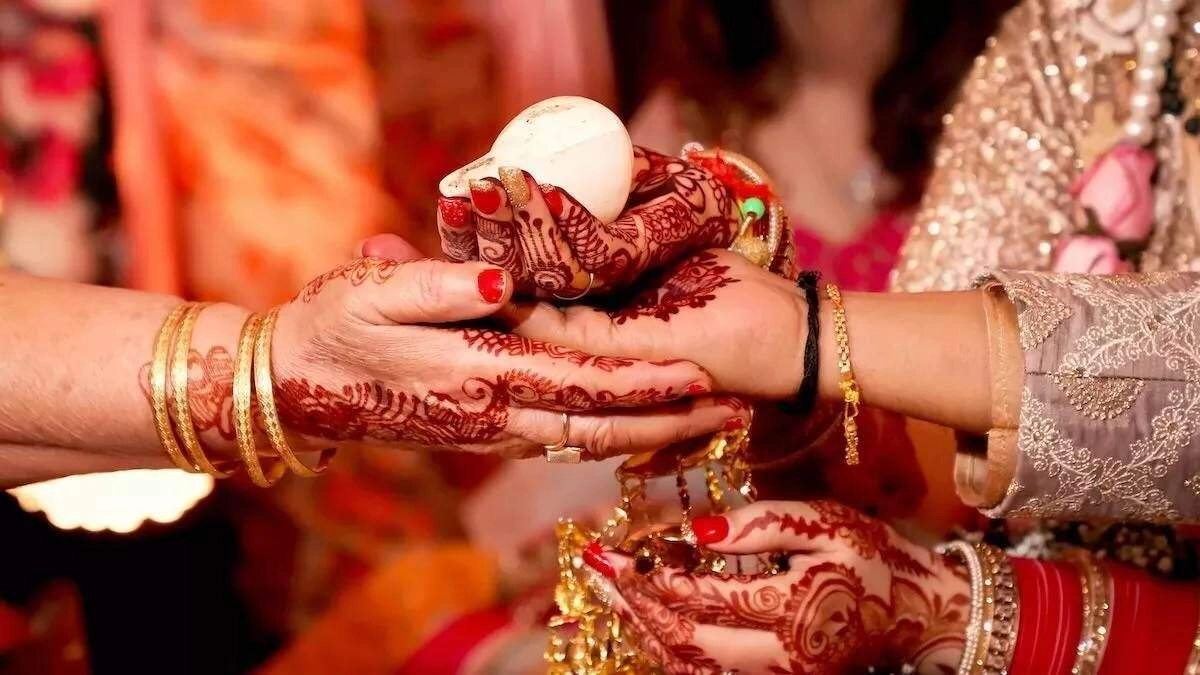
In India, the auspicious period for weddings is often influenced by astrological considerations and cultural traditions. As the month of Kharmas approaches, many communities prepare to observe a break from ceremonies, particularly weddings. Kharmas, also known as the month of Mal Maas, is considered inauspicious for performing any significant rituals or celebrations, including marriages. This period is typically marked by the belief that it is better to wait for a more favorable time rather than to undertake important life events during this month.
The exact dates for when the auspicious activities will cease and when they will resume are determined by the Hindu lunar calendar. As Kharmas begins, individuals planning weddings are advised to complete their arrangements to avoid any conflicts with this period. Traditionally, the celebrations are expected to halt from the onset of Kharmas, which usually begins with the new moon. The end of this month is marked by the next auspicious phase of the lunar calendar, during which the wedding ceremonies can commence once again.
People often consult astrologers or religious leaders to identify the most favorable dates, known as ‘muhurat,’ for their weddings. These dates are believed to bring good fortune and harmony to the couples starting their new life together. As such, it is common for families to plan and schedule weddings well in advance of Kharmas, ensuring that they take place during this auspicious window. The anticipation surrounding the resumption of weddings after Kharmas is palpable, as families look forward to celebrating new unions and the joy that accompanies them. Thus, understanding and respecting these traditions is crucial for those involved in wedding planning during this time.