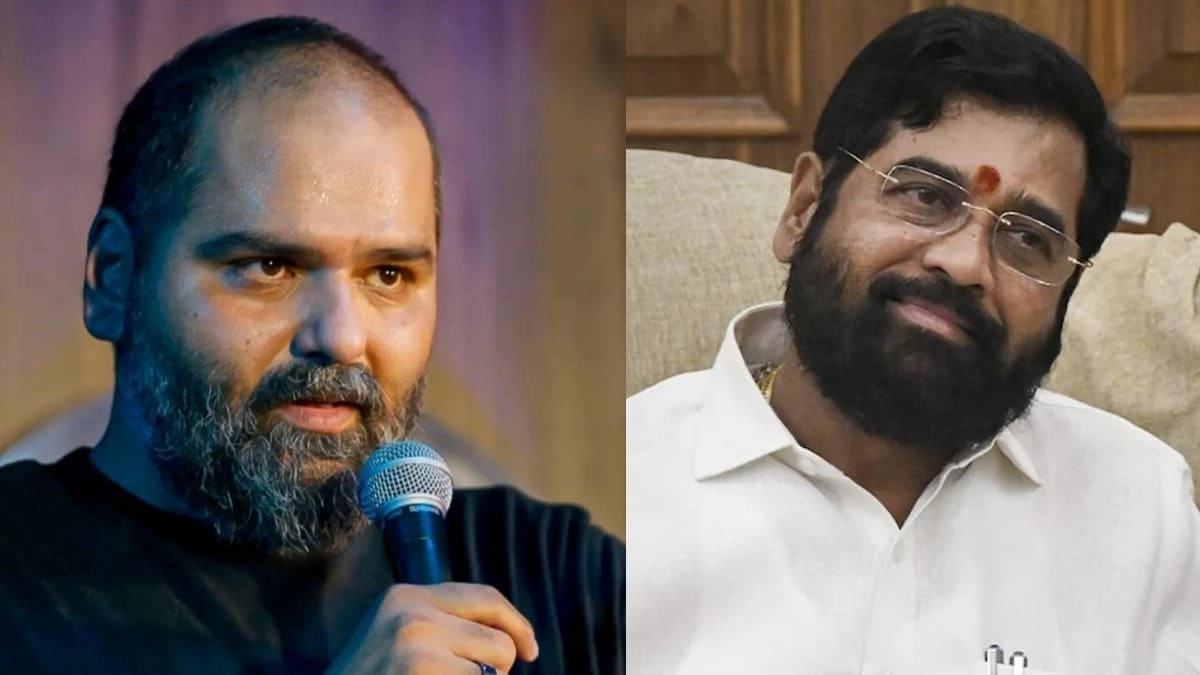
Kunal Kamra, a prominent Indian stand-up comedian known for his incisive commentary on social and political issues, has recently voiced his thoughts on a disturbing incident involving studio vandalism. This event, which has sparked widespread outrage, raises critical questions about the application of law and justice in contemporary society. Kamra’s remarks highlight a significant concern regarding the consistency and impartiality of legal actions in cases of vandalism and other forms of public disorder. He challenges the authorities to demonstrate a commitment to upholding the law uniformly, regardless of the involved parties’ affiliations or societal status.
In his commentary, Kamra underscores the importance of accountability and the need for the legal system to treat all individuals equally under the law. He argues that selective enforcement of laws undermines public trust and perpetuates a culture of impunity among those who might feel they are above the law. This sentiment resonates deeply in a climate where instances of vandalism or violence are often met with varying degrees of response based on the political or social identities of the perpetrators and victims involved. Kamra’s call for equitable application of justice serves as a reminder of the foundational principles of democracy, where the rule of law should prevail over personal biases and affiliations.
Furthermore, Kamra’s reflections on the issue bring to light the broader implications of such incidents on public discourse and civic engagement. When the legal system fails to act impartially, it not only affects those directly involved but also sends a troubling message to society at large. Citizens must feel assured that their rights and safety are protected equally, regardless of their background. Kamra’s insights encourage a dialogue about how societies navigate the complexities of justice, urging a collective responsibility to ensure that laws are not just reactive but also proactive in fostering a just and equitable environment for all.
Ultimately, Kunal Kamra’s perspective on studio vandalism serves as a catalyst for a deeper examination of the societal structures that govern behavior and accountability. By questioning the consistency of legal enforcement, he invites audiences to reflect on their own roles in advocating for justice and equality. As conversations about law and order continue to evolve, it is crucial for all stakeholders—citizens, policymakers, and institutions—to engage in meaningful discussions that promote transparency, fairness, and a shared commitment to upholding the rule of law.