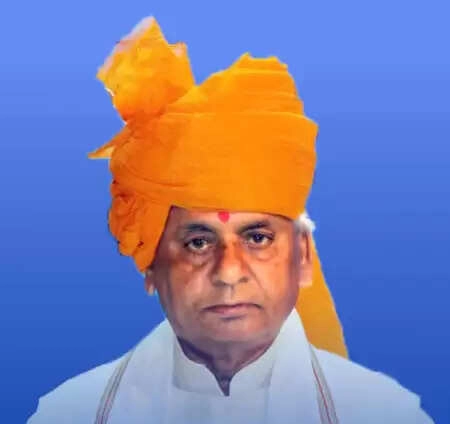
Kalyan Singh: A Name Associated with Power, Struggle, and the Ethics of Politics
Kalyan Singh, a prominent figure in Indian politics, is often remembered for his significant contributions and the controversies that surrounded his political career. Born on January 5, 1932, in a small village in Uttar Pradesh, Singh’s rise to prominence is a testament to his resilience and strategic acumen. He became the Chief Minister of Uttar Pradesh, representing the Bharatiya Janata Party (BJP), and his tenure was marked by both achievements and challenges. His leadership style was characterized by a blend of populism and pragmatism, which earned him both loyal supporters and fierce critics.
Throughout his political journey, Kalyan Singh faced numerous struggles, navigating the complex landscape of Indian politics. His involvement in various movements, particularly those advocating for the rights of Hindus, showcased his commitment to his beliefs. However, his tenure was not without controversy, especially regarding the Babri Masjid demolition in Ayodhya in 1992, an event that significantly impacted communal relations in the country. This incident raised questions about the ethics of political power and the responsibilities of leaders in maintaining social harmony.
Kalyan Singh’s legacy is multifaceted; he is remembered not only for his political maneuvers but also for his ability to connect with the masses. His approach to governance often reflected the aspirations of the common people, which helped him to consolidate a strong voter base. Despite the challenges he faced, including political opposition and internal party conflicts, Singh’s influence on Uttar Pradesh politics remains significant. His life story serves as a reminder of the complexities of leadership, the moral dilemmas politicians encounter, and the enduring impact of their decisions on society.
In the broader context of Indian politics, Kalyan Singh’s narrative is a reflection of the ongoing struggle between power and ethics. His experiences illustrate the delicate balance that leaders must maintain between their personal convictions and the demands of the political landscape. As India continues to evolve, the lessons drawn from Kalyan Singh’s life and career will resonate, prompting future leaders to navigate the intricate interplay of power, struggle, and moral responsibility in their own journeys.