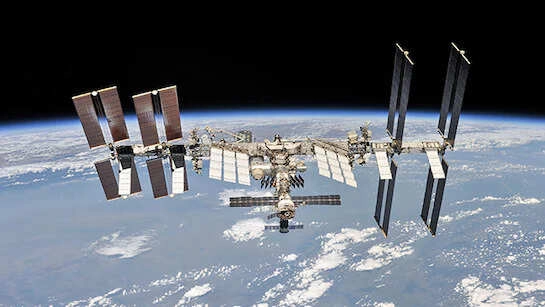
Science Alert has raised concerns about the potential downfall of the International Space Station (ISS), which weighs approximately 400 tons. Experts predict that by the year 2030, the ISS may face a significant threat, leading to its possible destruction. The degradation of the ISS is attributed to various factors, including its aging infrastructure and the challenges of maintaining its orbit. Over the years, the ISS has served as a vital platform for scientific research and international collaboration in space. However, as it approaches the end of its operational lifespan, the risks associated with its continued presence in low Earth orbit become increasingly evident.
The ISS has been a remarkable achievement of human engineering, orbiting the Earth since its first module was launched in 1998. It has played a crucial role in advancing our understanding of space and has been a home for astronauts from various countries. However, the station is not designed to last indefinitely. As components wear out and systems begin to fail, there is a growing concern about the safety of the station and its occupants. The possibility of the ISS re-entering the Earth’s atmosphere uncontrollably raises alarms among scientists and space agencies worldwide.
Plans for the future of the ISS and its eventual decommissioning are currently under discussion. Space agencies are exploring options for a controlled deorbit of the station, which would minimize the risk of debris falling into populated areas. The timeline for this process is crucial, as it requires careful planning and execution to ensure the safety of both the station and the planet. As 2030 approaches, researchers and engineers are working diligently to determine the best course of action for the ISS, ensuring that its legacy continues to inspire future generations of space exploration.