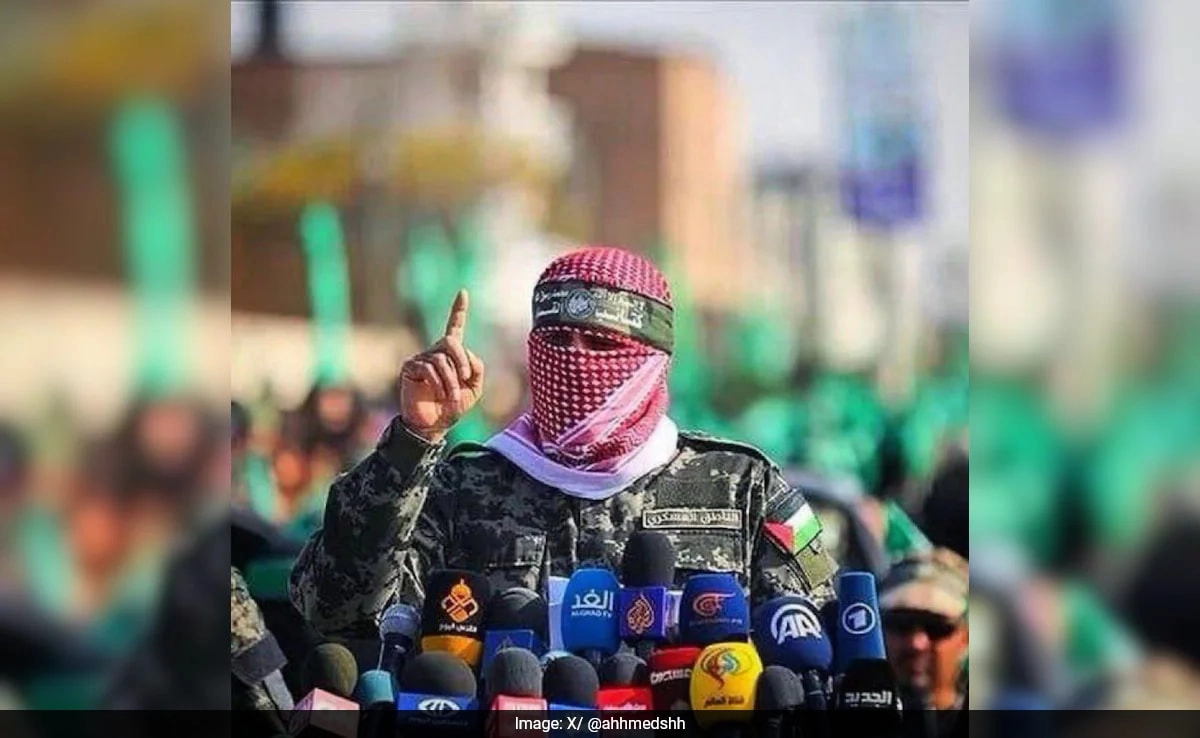
The ongoing conflict between Israel and Hamas has intensified significantly, with recent developments highlighting the escalating tensions in the region. In a notable incident, Israeli forces have reportedly killed a prominent spokesperson for Hamas, which has raised questions about the implications for the ongoing military operations in Gaza. This targeted action demonstrates Israel’s commitment to dismantling Hamas’s communication capabilities while signaling a broader strategy to disrupt the organization’s leadership and operational effectiveness amid the expanding offensive in Gaza.
The killing of the Hamas spokesperson comes at a time when Israel is expanding its military operations in response to ongoing rocket attacks and security threats emanating from Gaza. The Israeli government has framed its actions as necessary measures to ensure the safety of its citizens and to combat what it perceives as a direct threat from Hamas. As the conflict continues, the international community is closely monitoring the situation, with concerns growing over the humanitarian impact on civilians in Gaza and the potential for further escalation of violence in the region.
Amid these developments, discussions surrounding the Gaza offensive are becoming increasingly complex. Various stakeholders, including regional powers and international organizations, are urging for de-escalation and negotiations to address the underlying issues fueling the conflict. However, the killing of key figures within Hamas may complicate efforts for dialogue, as it could provoke retaliatory actions and deepen mistrust between the parties involved. The cycle of violence seems poised to continue unless a concerted effort is made to address not only the immediate security concerns but also the longer-term political grievances that have historically fueled the conflict.
As the situation unfolds, the potential for a broader conflict looms large, with fears of regional ramifications should tensions spill beyond Gaza. The international community must navigate these turbulent waters carefully, advocating for humanitarian access and protection for civilians while also urging both sides to find a path toward a sustainable resolution. The loss of life on both sides underscores the urgent need for dialogue and compromise, as the cycle of violence threatens to perpetuate suffering and instability in an already volatile region.