
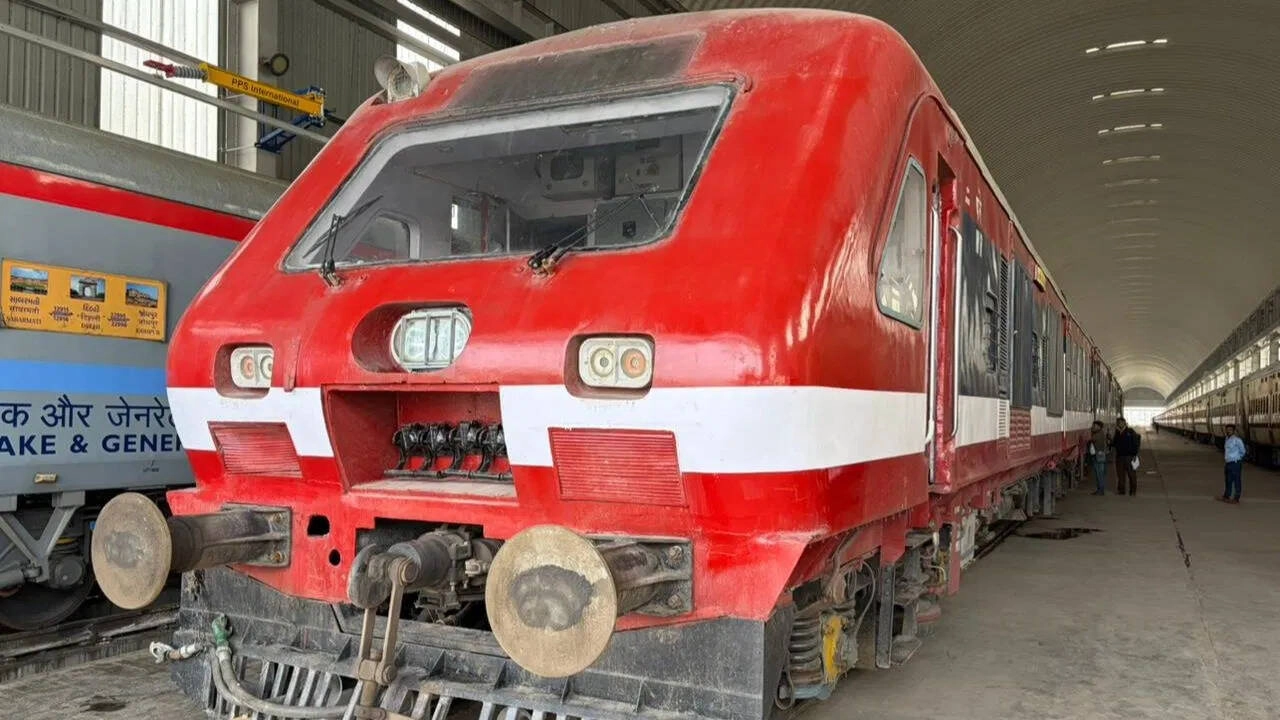
India has successfully developed its first LNG (Liquefied Natural Gas) dual-fuel DEMU (Diesel Electric Multiple Unit) train, heralding a significant advancement in the country’s rail transport sector. This innovative train is designed to run on both diesel and LNG, which is expected to lead to a remarkable 40% reduction in diesel consumption. The introduction of this technology not only emphasizes the shift towards cleaner fuels but also aims to enhance the efficiency and sustainability of rail operations in India.
One of the standout features of this dual-fuel DEMU train is its ability to switch seamlessly between diesel and LNG, offering operational flexibility and cost savings. The use of LNG, a cleaner fuel compared to traditional diesel, aligns with India’s broader goals of reducing carbon emissions and promoting environmentally friendly practices in transportation. This initiative is part of the Indian Railways’ efforts to modernize its fleet and embrace alternative energy sources, thereby contributing to a greener future.
Furthermore, the development of this LNG dual-fuel train marks a crucial step towards reducing the dependence on conventional fossil fuels. The shift to LNG can significantly lower operational costs for railways, as natural gas tends to be cheaper and more stable in price compared to diesel. By investing in such advanced technologies, India is not only enhancing the performance of its rail systems but also positioning itself as a leader in sustainable transport solutions in the region. Overall, the introduction of the LNG dual-fuel DEMU train is a promising development that showcases India’s commitment to innovation and sustainability in the transportation sector.


