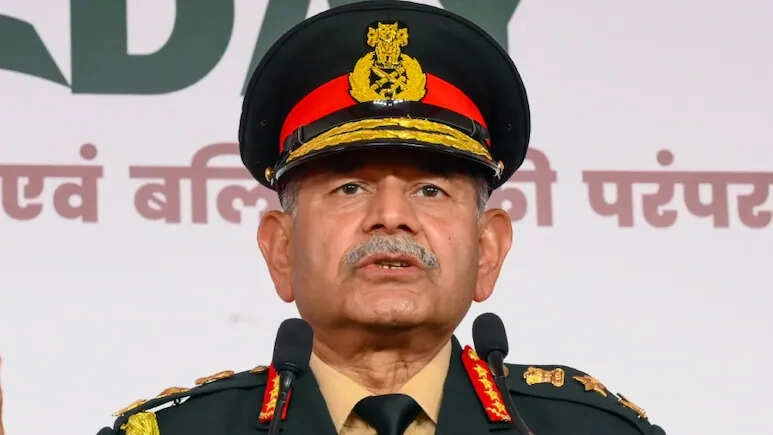
The ongoing Russia-Ukraine conflict has provided significant insights for the Indian Army, prompting a reevaluation of modern warfare strategies. Army Chief General Manoj Pande highlighted the lessons learned from this conflict, emphasizing how they can shape India’s military approach in future engagements. The war has showcased the importance of adaptability and innovation in combat scenarios, particularly in the context of hybrid warfare, where conventional and unconventional tactics are employed simultaneously.
General Pande pointed out that the conflict has illustrated the significance of technology in warfare. The use of drones for surveillance and combat, cyber warfare, and electronic warfare capabilities has become increasingly critical. The Indian Army is now focusing on integrating advanced technologies into its operations to enhance situational awareness and decision-making in real-time. This shift reflects a broader trend in military strategy, where technological superiority can often dictate the outcome of engagements.
Moreover, the lessons learned from the battlefield underscore the need for joint operations among different branches of the armed forces. The Russian military’s challenges in coordinating ground, air, and naval forces have highlighted the necessity for seamless integration in India’s own military structure. As the Indian Army prepares for potential future conflicts, there is a growing emphasis on collaborative training exercises that enhance interoperability among various military units.
In summary, the Russia-Ukraine war has been a pivotal learning experience for the Indian military. By analyzing the tactics and strategies employed in this conflict, the Indian Army is poised to adapt its approach to modern warfare, ensuring that it remains prepared for any challenges that may arise in the future. The focus on technology, joint operations, and rapid adaptability will be crucial in maintaining operational effectiveness and safeguarding national interests.