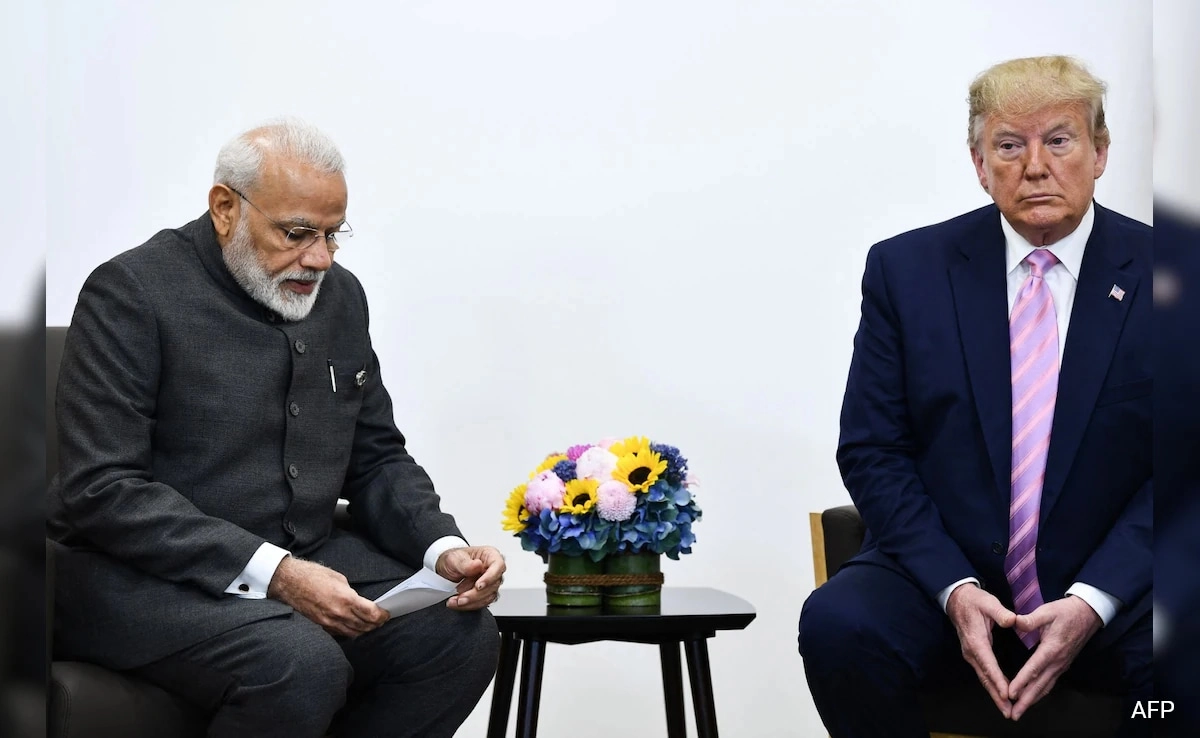
The implementation of tariffs by the United States poses significant challenges not only for American businesses but also for countries like India that have established robust trade relations with the U.S. Tariffs, which are essentially taxes imposed on imported goods, can lead to increased costs for companies that rely on imported materials. This situation has the potential to disrupt supply chains and affect the pricing of goods, ultimately resulting in higher prices for consumers. For India, which exports a wide range of products including textiles, machinery, and agricultural goods to the U.S., the impact of these tariffs could be profound. The increased costs associated with tariffs may lead to a decrease in the competitiveness of Indian exports, making it harder for Indian manufacturers to maintain their market share in the U.S.
As Indian exporters face the prospect of heightened tariffs, the risk of job losses in various sectors also escalates. The manufacturing sector, which employs millions of people in India, stands to be particularly vulnerable. If U.S. tariffs make it more expensive for American companies to import Indian goods, these companies may seek alternative suppliers from countries with lower tariffs or even consider moving production closer to home. Such shifts could result in a decline in export orders, which could subsequently lead to layoffs and a slowdown in job creation within India. The interconnectedness of global markets means that the repercussions of U.S. tariff policies extend beyond national borders, affecting economies worldwide.
Moreover, the broader implications of U.S. tariffs could stifle economic growth in India. The nation has been striving for robust economic development and increased foreign investment, particularly in the wake of the COVID-19 pandemic. However, if tariffs lead to reduced export opportunities, this could hinder India’s growth trajectory and its efforts to attract foreign direct investment. Investors are likely to be wary of entering markets that show signs of instability due to fluctuating trade policies. Consequently, the prospects for economic expansion may be jeopardized, resulting in long-term consequences for India’s development goals.
In response to these challenges, India may need to reassess its trade strategies and explore new markets to mitigate the risks posed by U.S. tariffs. Strengthening trade relationships with other countries and diversifying its export portfolio can help safeguard against potential losses from the U.S. market. Additionally, investing in domestic industries and enhancing competitiveness through innovation and technology may provide a buffer against the volatility of international trade dynamics. As the global economic landscape continues to evolve, India must navigate these complexities to secure its economic future while adapting to the changing realities of trade relationships.