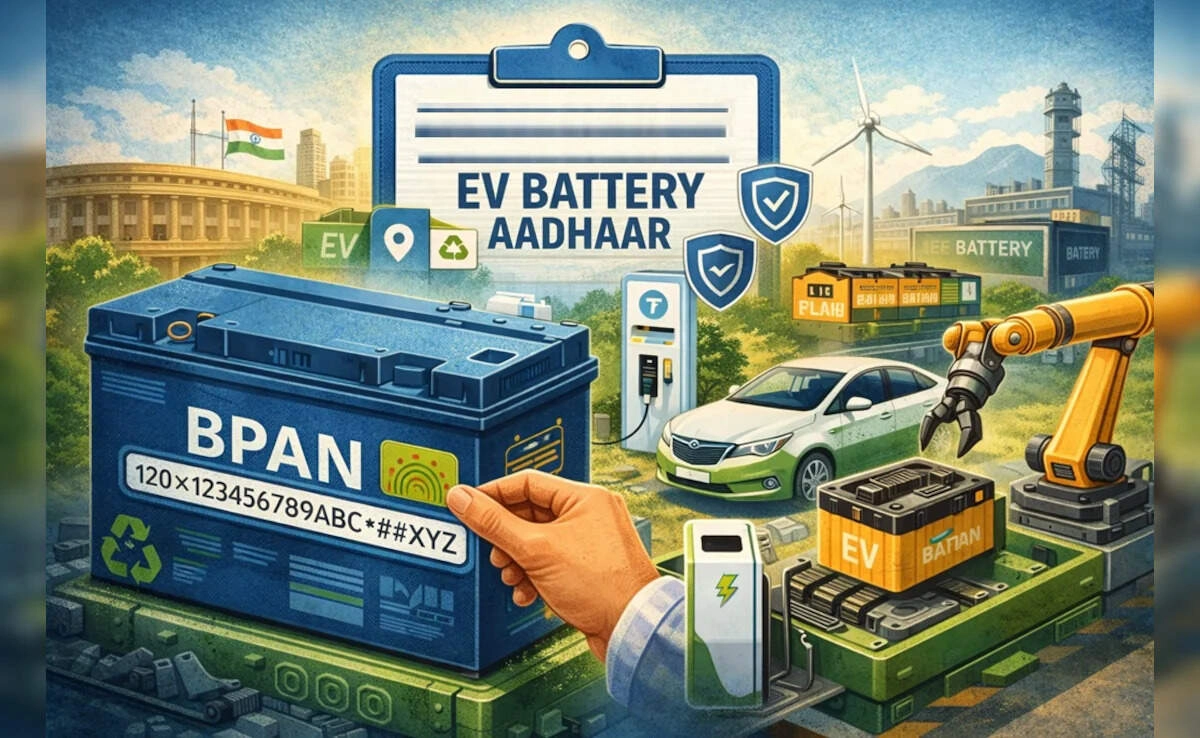
The government has announced a significant initiative aimed at enhancing accountability and transparency in the electric vehicle (EV) sector by introducing a unique identification system for EV batteries, akin to the Aadhaar card. This move is intended to curb fraudulent activities and ensure that battery usage and ownership are properly documented. With the rising popularity of electric vehicles, there has been an increase in concerns over battery theft, counterfeit products, and lack of traceability, which could undermine consumer confidence and hinder the growth of the EV market.
Under this new regulation, every EV battery will be assigned a unique identification number, which will be linked to the owner’s information in a centralized database. This system will facilitate better monitoring of battery life cycles, ownership transfers, and recycling processes. By having a clear record of battery ownership, the government aims to deter illegal activities such as battery theft and fraud, ensuring that consumers are protected and that the market remains fair and competitive.
Additionally, this identification system is expected to enhance the overall efficiency of the EV ecosystem. With accurate data on battery usage and performance, manufacturers and service providers can offer better services, warranties, and maintenance plans tailored to the specific needs of consumers. Furthermore, this initiative aligns with the government’s broader goals of promoting sustainable energy and reducing carbon emissions, as it encourages responsible practices in battery usage and disposal. Overall, this innovative approach not only addresses current challenges in the EV sector but also paves the way for a more organized and secure future for electric mobility.