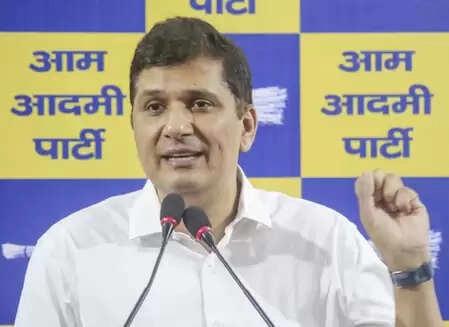
The government has claimed to conduct audits of private schools, yet it has not made the reports public, according to Saurabh Bhardwaj. This situation raises significant concerns regarding transparency and accountability in the education sector. Parents and stakeholders have a right to know the findings of these audits, particularly if they are meant to ensure that private institutions adhere to educational standards and regulatory norms. The lack of public access to these reports may suggest that the government is withholding information that could be crucial for informed decision-making by parents and the community.
Moreover, the absence of transparency can lead to distrust among parents regarding the governance of private schools. Many families invest considerable financial resources in private education, and they deserve to understand how these institutions are being monitored and assessed. By not releasing the audit reports, the government may inadvertently fuel speculation about the quality of education being provided and whether schools are complying with established regulations.
Bhardwaj’s statements highlight the need for greater oversight and clarity in the private education sector. It is essential for the government to establish a framework that not only conducts regular audits but also ensures that the outcomes of these evaluations are accessible to the public. This would not only enhance accountability but also empower parents and guardians to make better-informed choices regarding their children’s education. In a democratic society, transparency in educational practices is paramount for building trust and fostering a collaborative environment between the government, educational institutions, and families.