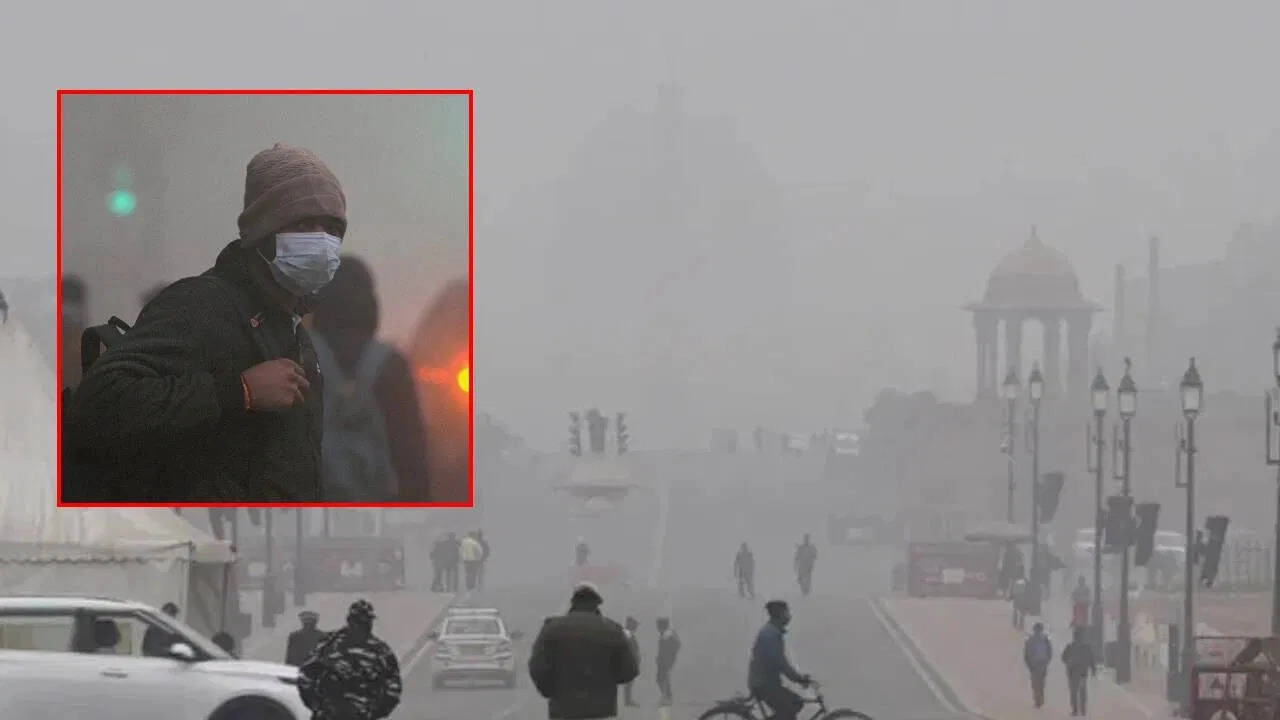
In Delhi, the air quality crisis has reached alarming levels, with the city’s Air Quality Index (AQI) surpassing the 400 mark in various monitoring stations, particularly in designated ‘red zones.’ This situation raises significant concerns about public health and environmental safety, as the presence of harmful pollutants in the air can lead to serious health issues for the population. The continuous deterioration of air quality has prompted urgent calls for action from both the government and environmental organizations to address the ongoing pollution crisis.
The persistent presence of toxic particles in the air is a result of multiple factors, including vehicular emissions, industrial discharges, and construction activities. During certain seasons, particularly in winter, the situation worsens due to weather conditions that trap pollutants close to the ground. As a consequence, residents are facing increased risks of respiratory illnesses, cardiovascular problems, and other health complications associated with poor air quality. The need for immediate and effective measures to combat air pollution has never been more critical.
Authorities are exploring various strategies to mitigate the impact of air pollution, including stricter regulations on emissions, promoting the use of public transportation, and increasing green spaces in urban areas. Public awareness campaigns are also essential to encourage citizens to adopt environmentally friendly practices. In the long term, addressing the root causes of air pollution will require a collective effort from government agencies, industries, and the general public to create a healthier environment for all residents of Delhi. Only through concerted action can the city hope to improve air quality and reduce the harmful effects of pollution on its inhabitants.