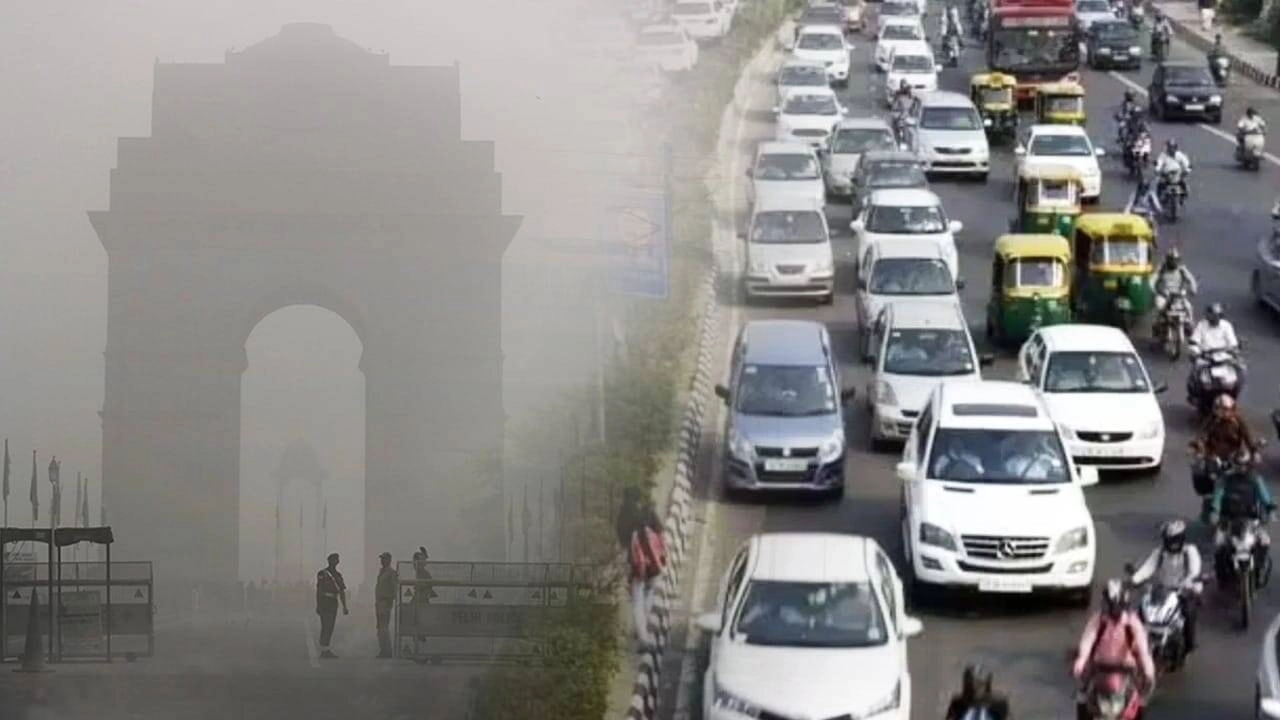
The Delhi government has unveiled an innovative traffic plan aimed at alleviating congestion on the city’s roads. One of the key components of this strategy is the introduction of dedicated lanes specifically for electric buses and electric rickshaws. This initiative is part of a broader effort to promote eco-friendly transportation options while simultaneously reducing the vehicular load on the already crowded roadways. By creating separate paths for these electric vehicles, the government hopes to enhance their efficiency and encourage more residents to opt for sustainable modes of transportation.
The plan is designed to address the persistent issue of traffic jams that plague the capital, particularly during peak hours. With the rise in the number of vehicles on the roads, the situation has only worsened over the years. The government’s decision to implement separate routes for e-buses and e-rickshaws is not only a step towards easing congestion but also reflects a commitment to improving air quality in the city. By facilitating smoother movement for these electric vehicles, the government aims to make them a more attractive option for daily commuters.
In addition to the dedicated lanes, the traffic plan includes various other measures to improve overall traffic management in Delhi. This encompasses the installation of smart traffic signals, better signage, and the use of technology to monitor and manage traffic flow in real-time. The government is also considering public awareness campaigns to educate citizens about the benefits of using public transport and electric vehicles. By fostering a culture of public transport and eco-friendly commuting, the Delhi government hopes to pave the way for a more sustainable and less congested urban environment.
As the plan unfolds, it will be crucial for Delhi residents to adapt to these changes and embrace the new transportation options available to them. The success of this initiative will depend not only on the government’s execution but also on the willingness of the public to shift their commuting habits. With these strategic changes, Delhi aims to transform its transportation landscape, ultimately contributing to a cleaner, greener, and less congested city for all its inhabitants.