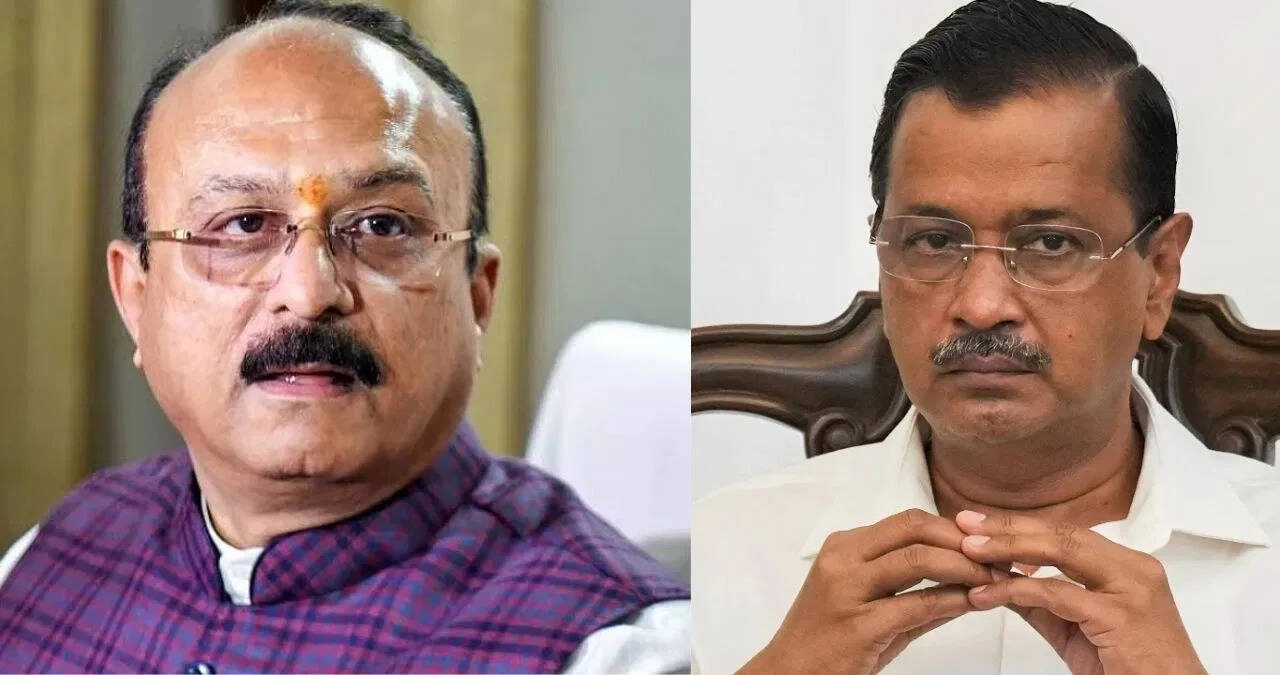
The Delhi government has launched a sharp attack on the Aam Aadmi Party (AAP), with Minister Ashish Sood accusing Chief Minister Arvind Kejriwal of being dishonest. This confrontation highlights the growing tensions within the political landscape of Delhi, particularly as the AAP continues to navigate various challenges both within the government and from opposition parties. The accusations made by Sood are part of a broader narrative, where internal dissent and questions about leadership integrity are becoming increasingly prominent.
Sood’s remarks specifically target Kejriwal’s recent statements regarding governance and accountability. He claims that the chief minister has not lived up to his promises and has failed to provide transparent leadership. This criticism is a reflection of the frustrations felt by some members of the party and serves to underscore the divisions that may exist within the AAP. Such public denunciations can have significant ramifications, potentially affecting the party’s unity and its standing with the electorate.
The political climate in Delhi is particularly volatile, with various parties vying for influence and control. As AAP faces scrutiny over its policies and performance, the party’s leadership is under pressure to address the concerns raised by its own members. The criticism from within could lead to a reevaluation of strategies and priorities, especially as elections approach. The situation is a reminder of the complexities of political dynamics, where loyalty and dissent can coexist, leading to a challenging environment for governance and public perception.