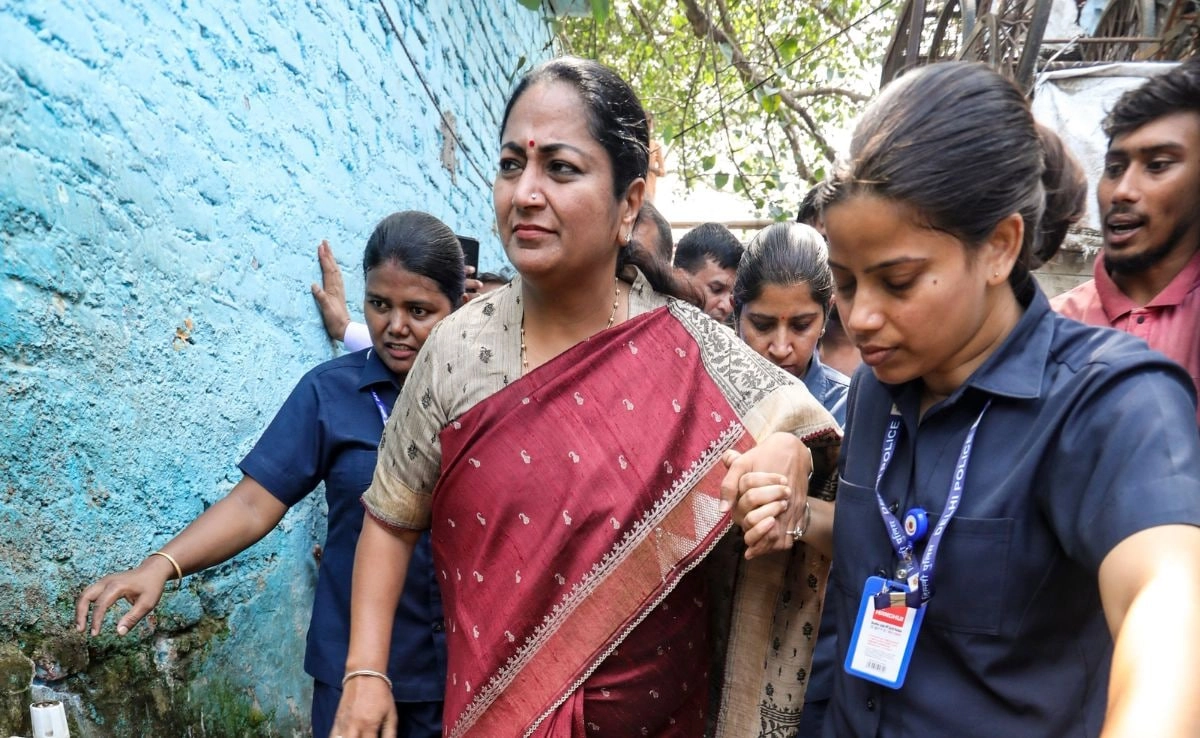
In a shocking incident that has sent ripples through the political landscape of Delhi, Chief Minister Arvind Kejriwal’s administration is now facing a serious crisis following an attack on a prominent female leader. Reports have emerged detailing a violent confrontation in which the Chief Minister was physically assaulted, with allegations of being slapped and having her hair violently pulled. This incident has raised alarm bells regarding the safety of political figures in the region and has sparked widespread condemnation from various political factions and civil society groups.
The attack has led to the filing of an attempt to murder case, underscoring the severity of the situation. Authorities are under pressure to thoroughly investigate the incident and bring those responsible to justice. Eyewitness accounts describe a chaotic scene, highlighting the emotional distress and fear experienced by not only the Chief Minister but also those present during the attack. The implications of such violence against a high-ranking official are profound, as they raise questions about the overall political climate and the rising tide of aggression in public discourse.
This incident has also ignited a debate about the safety of women in politics, with many advocating for stronger protective measures for female leaders. Political analysts are concerned that such acts of violence could deter women from participating in politics, which would ultimately stifle diversity and representation in governance. As Delhi grapples with this unsettling event, there is a collective call for solidarity and support for all political leaders, irrespective of their party affiliations, to ensure that democracy remains robust and that voices advocating for change are not silenced by fear or intimidation. The coming days will be crucial as the investigation unfolds and the political ramifications of this attack continue to develop.