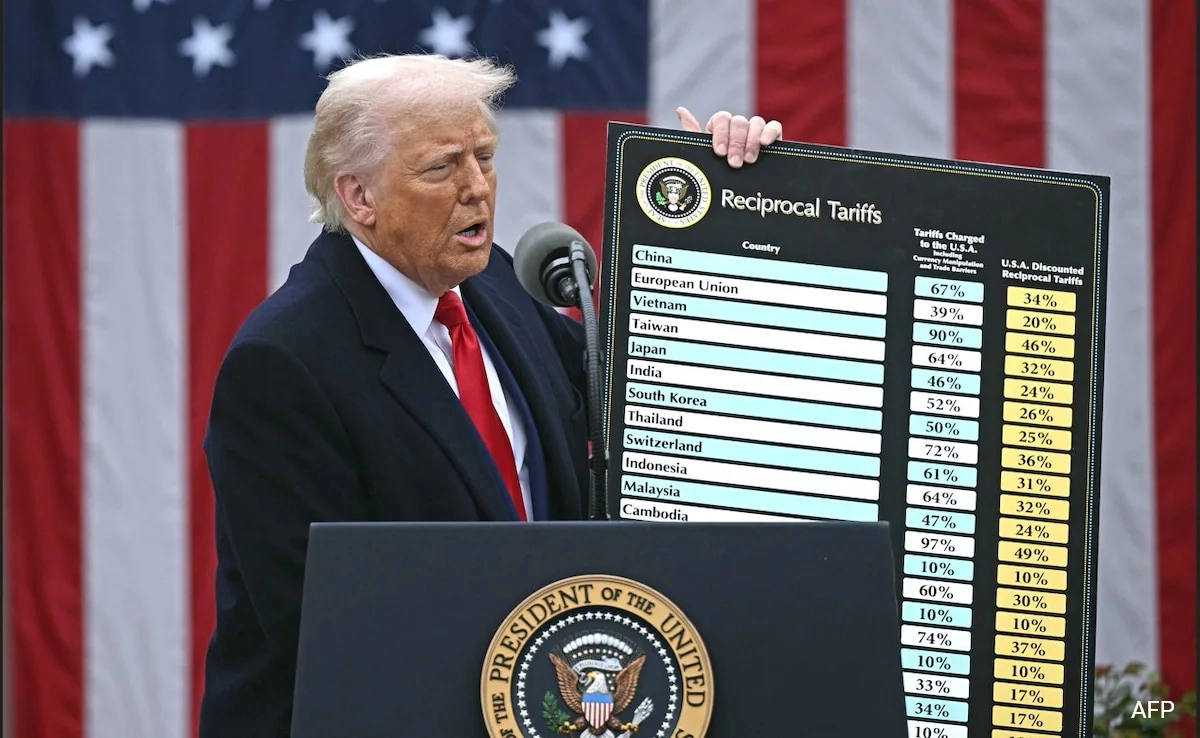
In a significant legal ruling, a U.S. court has declared that many of the tariffs imposed during the Trump administration on various goods from around the world are illegal. This decision marks a pivotal moment in U.S. trade policy, as it challenges the broad authority exercised by the former president in implementing tariffs under the guise of national security and economic protectionism. The court’s ruling underscores the need for adherence to established legal frameworks governing trade practices, which are designed to ensure fair competition and protect consumers.
The tariffs in question, which were levied on numerous products ranging from steel and aluminum to various consumer goods, were intended to bolster American manufacturing and reduce reliance on foreign imports. However, critics argued that these tariffs led to inflated prices for consumers and strained international trade relations. The court found that the administration’s rationale for these tariffs lacked sufficient legal grounding, thereby undermining the justification for their implementation. This ruling not only impacts the businesses that were subjected to these tariffs but also sets a precedent for how trade policies can be crafted and enforced in the future.
As the ruling unfolds, it may have significant implications for both domestic industries and international trade agreements. Businesses that were adversely affected by the tariffs may now seek to challenge their financial losses and re-establish competitive pricing structures. Furthermore, this legal decision could prompt Congress to reassess and potentially revise the legislative framework surrounding trade tariffs, ensuring that future administrations operate within clearer guidelines. The outcome of this case reflects a critical examination of executive power in trade matters and a call for greater accountability in how tariffs are applied in the U.S. economy.
In the broader context, this ruling signals a shift towards a more regulated and transparent approach to trade policy. The implications extend beyond legal interpretations; they touch upon the ongoing debate regarding globalization, economic nationalism, and the role of government in regulating commerce. As stakeholders from various sectors react to the decision, it remains to be seen how this will influence future trade negotiations and the overall landscape of U.S. trade policy in the years to come.