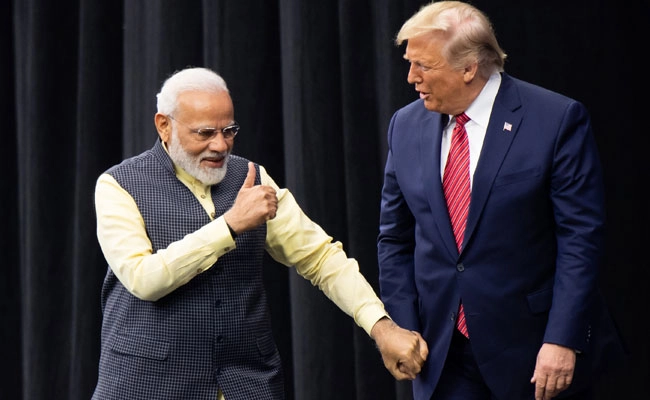
In a recent statement that garnered significant attention, a Chinese envoy sharply criticized former President Donald Trump’s imposition of 50% tariffs on Indian goods. The envoy’s remarks underscored the escalating tensions in international trade relations and the implications of such punitive measures on global markets. The tariffs, which were part of a broader strategy to protect American industries, have not only strained U.S.-India relations but also created ripples in the interconnected global economy. The Chinese representative emphasized that such aggressive trade policies could lead to retaliatory actions, further complicating diplomatic ties and economic collaborations among nations.
The envoy’s comments reflect a growing concern among global leaders regarding the potential fallout from unilateral trade actions. By labeling Trump as a “bully,” the Chinese official highlighted the perception that aggressive tariffs can destabilize established trading partnerships. Many countries, including India, have expressed their discontent with such measures, arguing that they hinder fair competition and disrupt supply chains. This situation raises critical questions about the long-term sustainability of protectionist policies and their impact on international cooperation.
Moreover, the situation illustrates the complexities of modern trade dynamics, where tariffs can provoke a cycle of retaliation and counter-retaliation. Countries may feel compelled to respond to aggressive tariffs by imposing their own, thereby escalating trade wars that can have deleterious effects on global economic growth. The Chinese envoy’s remarks serve as a warning about the potential for increased tensions and the need for multilateral dialogue to resolve trade disputes amicably. As nations navigate the challenges of globalization, finding a balanced approach that fosters cooperation while addressing legitimate economic concerns is imperative for maintaining stability in international relations.