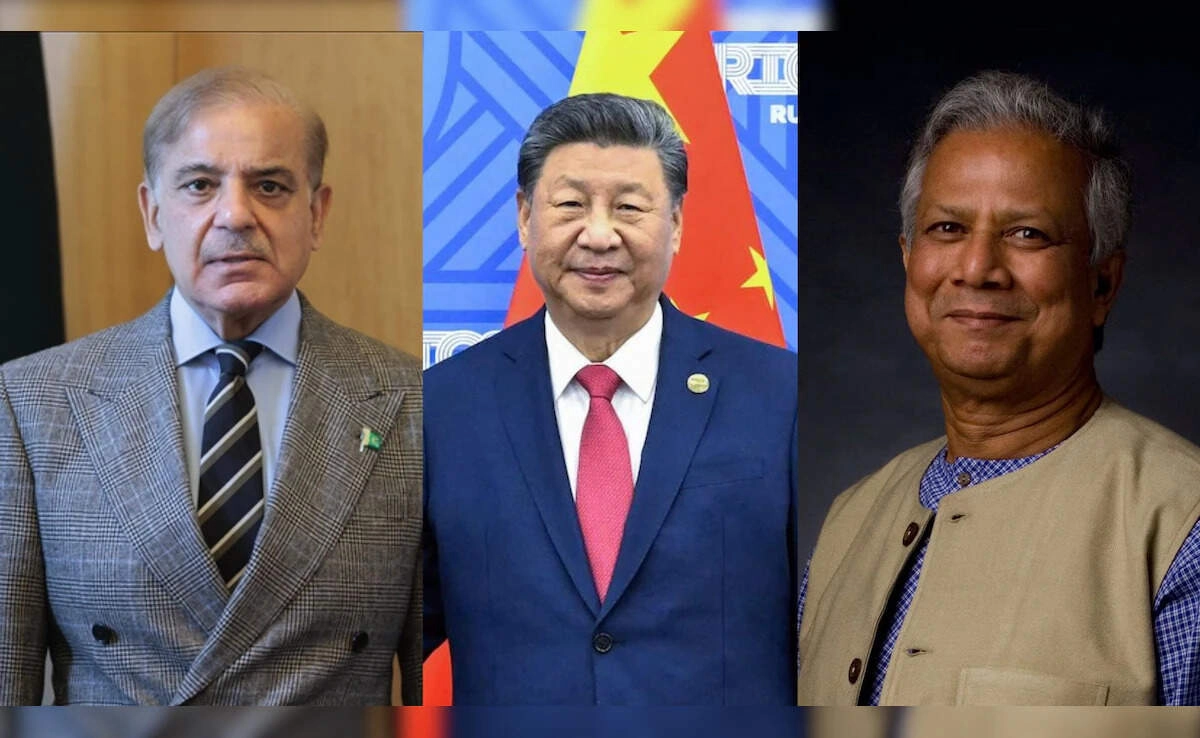
The geopolitical landscape in South Asia has become increasingly complex, particularly with the rising influence of China, often referred to as the “Dragon.” Recent revelations from a Pentagon report have shed light on how China is strategically extending its reach into neighboring countries like Pakistan, Bangladesh, Sri Lanka, and Myanmar, aiming to encircle India. This development raises significant concerns for India’s national security and its role in the region.
China’s engagement in these countries is multifaceted, involving economic investments, infrastructure projects, and diplomatic ties. For instance, the China-Pakistan Economic Corridor (CPEC) is a flagship project that aims to bolster economic connectivity between China and Pakistan, while simultaneously providing China with a foothold in the Indian Ocean. Similarly, China’s growing presence in Sri Lanka, particularly through port development, has sparked debates about sovereignty and the potential for debt diplomacy.
The Pentagon report highlights China’s strategic intentions, suggesting that these relationships are not merely economic but part of a broader strategy to enhance its military and political influence in South Asia. This encirclement strategy could pose challenges for India, which has historically viewed itself as the dominant power in the region. Moreover, as China continues to strengthen its ties with these neighboring countries, India may need to reassess its own foreign policy and defense strategies to counterbalance this rising influence.
In conclusion, the revelations from the Pentagon report underscore the need for India to remain vigilant and proactive in its approach to regional diplomacy and security. As China expands its footprint in South Asia, it is crucial for India to foster stronger alliances with its neighbors and enhance its own strategic capabilities. The balance of power in the region is shifting, and India’s response will be critical in determining its future role and influence in South Asia.