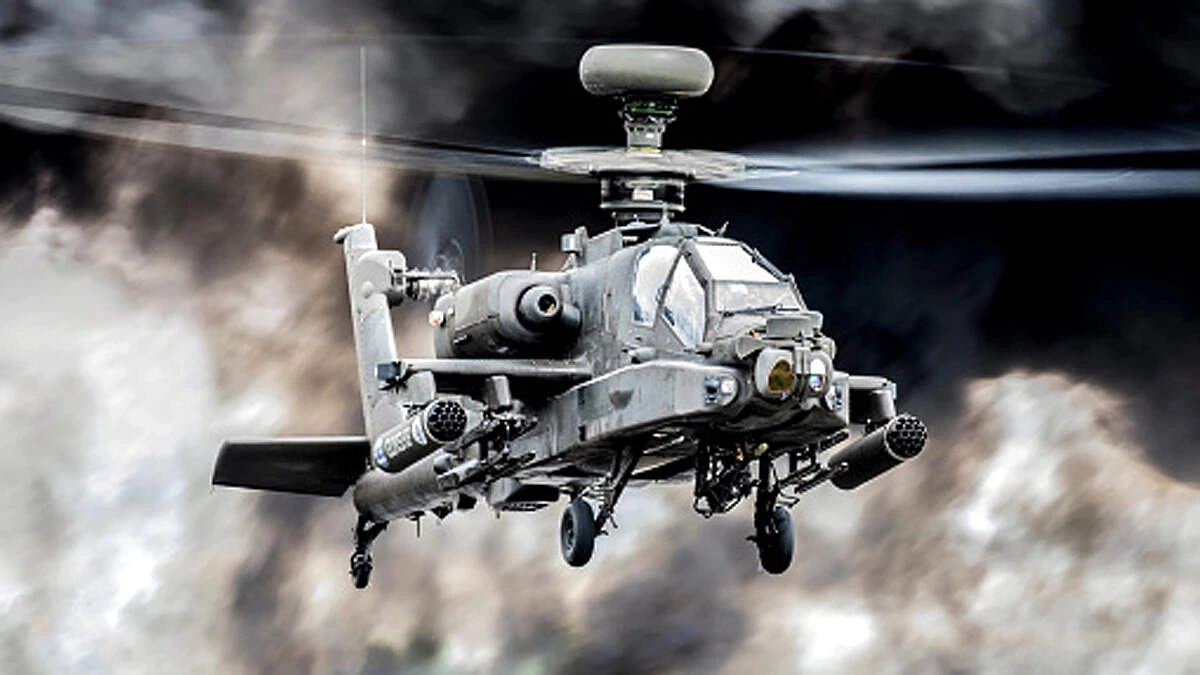
China has claimed that its Z-10 helicopter is significantly more lethal than the American Apache. This assertion highlights the growing capabilities of Chinese military technology and its ambition to match or surpass Western military equipment. The Z-10, developed by the Aviation Industry Corporation of China (AVIC), is designed primarily for anti-tank operations and is equipped with advanced avionics and weapon systems that give it a strategic edge in combat scenarios.
The Z-10 features a tandem cockpit design, allowing it to have a low profile and enhanced maneuverability. Its armament includes a variety of missiles, such as the HJ-10 anti-tank guided missiles, and it can also carry rockets and guns for close-range engagements. The helicopter’s advanced radar and targeting systems enable it to locate and engage targets with precision, even in challenging environments. This capability is essential for modern warfare, where quick response times and accuracy in targeting can determine the outcome of missions.
However, the Z-10 does have its weaknesses. While it boasts impressive firepower and technology, it may not match the Apache’s overall versatility and proven combat record. The Apache has been battle-tested in various conflicts and has established itself as a reliable platform with a robust support network. Moreover, the Apache’s advanced electronic warfare capabilities and superior situational awareness systems allow it to operate effectively in complex combat environments.
In conclusion, while China’s Z-10 helicopter presents a formidable challenge to the Apache, it is essential to consider both its strengths and limitations. The ongoing developments in military aviation technology indicate that competition in this field will continue to intensify, with each nation striving to enhance its capabilities. As such, the assessment of the Z-10’s effectiveness compared to the Apache will evolve as both helicopters undergo upgrades and improvements in response to emerging threats on the battlefield.