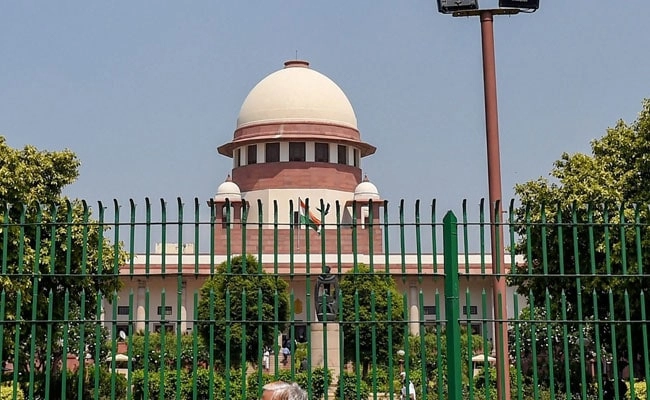
The Central Bureau of Investigation (CBI) has launched an inquiry into Sonam Wangchuk, a prominent activist from Ladakh, primarily focusing on allegations surrounding foreign funding and a recent visit to Pakistan. Wangchuk, known for his advocacy for sustainable development and the preservation of Ladakhi culture, has gained international recognition for his efforts. However, the CBI’s probe raises questions about the sources of funding for his initiatives and the implications of his connections abroad.
This investigation is particularly significant considering Wangchuk’s outspoken views on various socio-political issues in Ladakh, including environmental sustainability and the rights of local communities. His advocacy has often attracted both support and criticism, with some viewing his efforts as a threat to national integrity. The scrutiny by the CBI may indicate a broader governmental concern regarding foreign influence in domestic activism, especially in sensitive regions like Ladakh, which has strategic implications for India, given its proximity to contested borders.
Wangchuk’s visit to Pakistan, which has come under the CBI’s lens, adds another layer to the situation. Critics argue that such visits could be construed as politically charged, potentially undermining India’s territorial integrity. Conversely, supporters of Wangchuk emphasize the importance of dialogue and exchange of ideas across borders, particularly in addressing issues like climate change and resource management that transcend political boundaries. This investigation could thus have far-reaching consequences, not only for Wangchuk personally but also for the future of activism in the region and the way it is perceived by both the government and the public.
As the CBI delves deeper into the allegations, it remains to be seen how this will affect Wangchuk’s ongoing projects and the broader discourse surrounding activism in Ladakh. The case serves as a reminder of the delicate balance between advocacy for local rights and the national narrative, especially in a country where dissent can sometimes be met with suspicion. The outcomes of this probe could set precedents for how similar cases are handled in the future, impacting not just activists in Ladakh but also those across India who seek to engage with global issues.