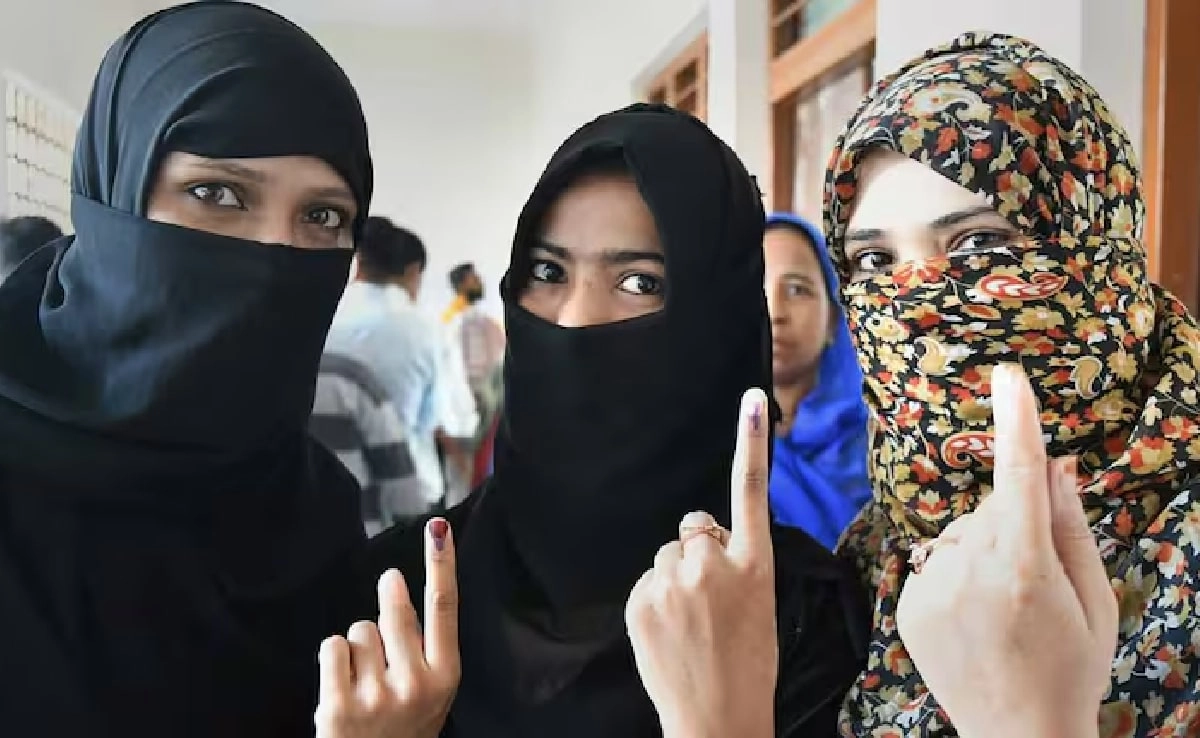
The dynamics of electoral politics in Bihar have long been shaped by the notion of vote banks, particularly the idea that minority communities, especially Muslims, form a monolithic voting bloc. However, recent developments indicate that this perception may not hold true, as caste identities within these minority groups play a significant role in shaping electoral preferences. The interplay of caste among Muslims in Bihar challenges the simplistic narrative of a unified Muslim vote bank and underscores the complexity of voter behavior in the region.
In Bihar, various caste groups among Muslims, such as the Pasmandas, have distinct socio-political identities that influence their voting patterns. The Pasmanda community, which includes lower-caste Muslims, often feels marginalized within the broader Muslim community and has different political aspirations compared to their upper-caste counterparts. This fragmentation suggests that the Muslim vote is not a monolithic entity but rather a mosaic of diverse interests and demands. The political parties that recognize and engage with these nuances stand to gain a competitive advantage in elections.
Moreover, the emergence of caste-based politics within the Muslim community has implications for broader coalition-building strategies among political parties. As parties attempt to forge alliances to secure votes, understanding the caste dynamics among Muslims becomes essential. This shift can lead to more tailored campaign strategies that resonate with specific caste identities, thereby challenging the traditional idea of a Muslim vote bank. As a result, political parties may need to rethink their approach to minority outreach, moving beyond broad categorizations to address the specific needs of various groups.
The implications of this evolving political landscape are profound not only for Bihar but also for the broader discourse on minority politics in India. The recognition of caste among Muslims reveals the limitations of simplistic electoral assumptions and prompts a reevaluation of how political engagement is understood within minority communities. As Bihar’s electoral narrative continues to unfold, the significance of caste among Muslims will likely play a crucial role, ultimately reshaping the political strategies and alliances that define the state’s electoral landscape.