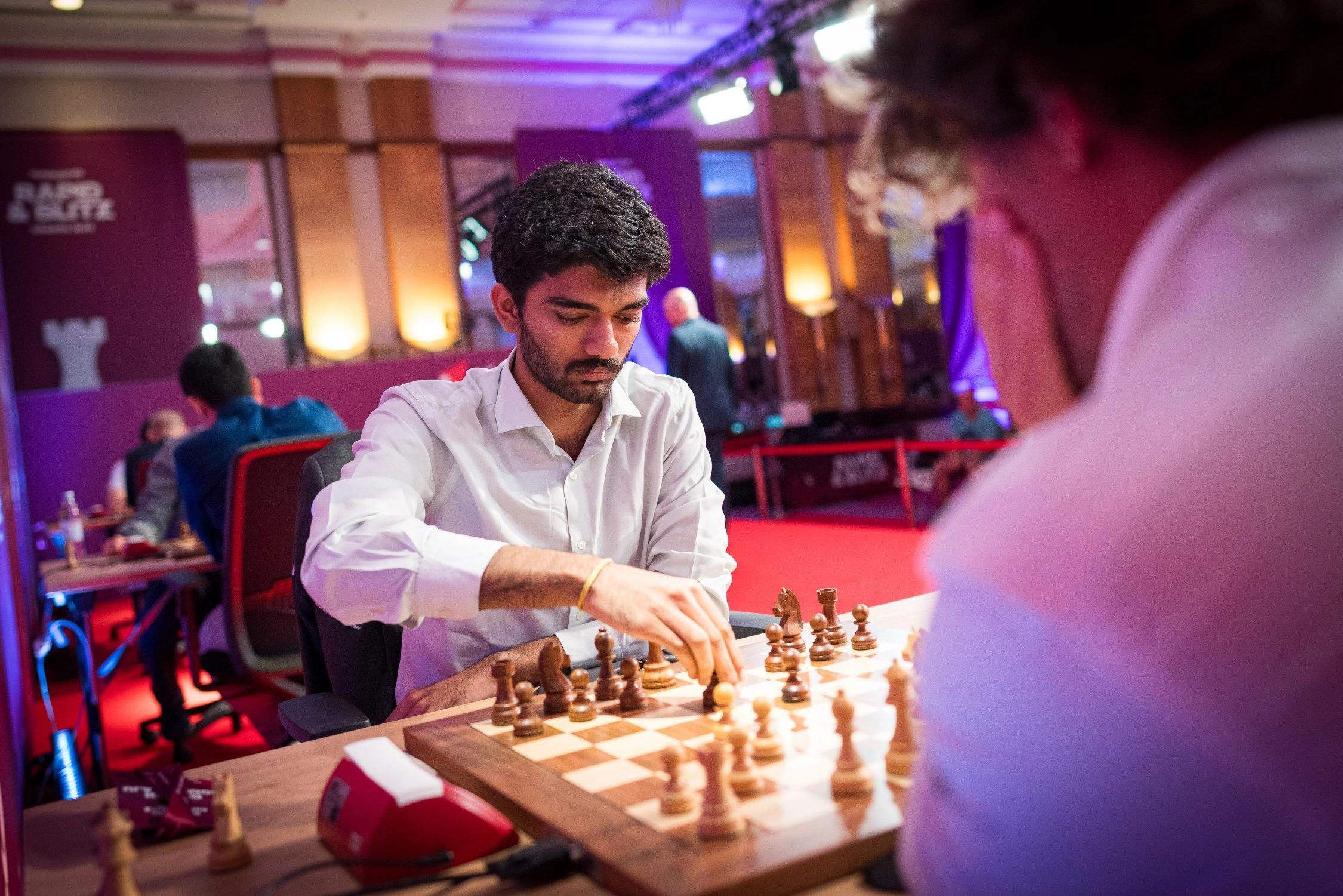
The chess world has been abuzz with discussions surrounding Magnus Carlsen’s recent match against the young Indian prodigy, Gukesh D. During this highly anticipated encounter, Carlsen, who has long been regarded as one of the greatest chess players of all time, found himself in an unfamiliar position when he chose to resign against Gukesh. This unexpected turn of events has raised numerous questions about Carlsen’s current form, his strategy, and his mental state as he continues to compete at the highest levels of the game.
Carlsen’s resignation has led many to speculate whether it signifies a shift in the balance of power in the chess world. Gukesh, at only 17 years old, has been making waves with his impressive performances and has quickly emerged as a formidable opponent. His victory against Carlsen is seen as a potential harbinger of a new generation of chess talent ready to challenge the established elite. Observers are left to wonder if this match represents a pivotal moment in chess, where the younger players are finally breaking through the barriers set by seasoned veterans like Carlsen.
The implications of Carlsen’s resignation extend beyond just this single match. It raises questions about the pressures faced by top players and how they cope with the demands of maintaining their elite status. Carlsen has dominated the chess scene for over a decade, and any signs of vulnerability can trigger discussions about his longevity and future in the sport. Analysts are keen to dissect this match to uncover what went wrong for the reigning champion and whether this could be a sign of declining performance or simply a momentary lapse in judgment. As chess continues to evolve, the chess community eagerly awaits to see how Carlsen will respond to this challenge and what it means for the future of competitive chess.