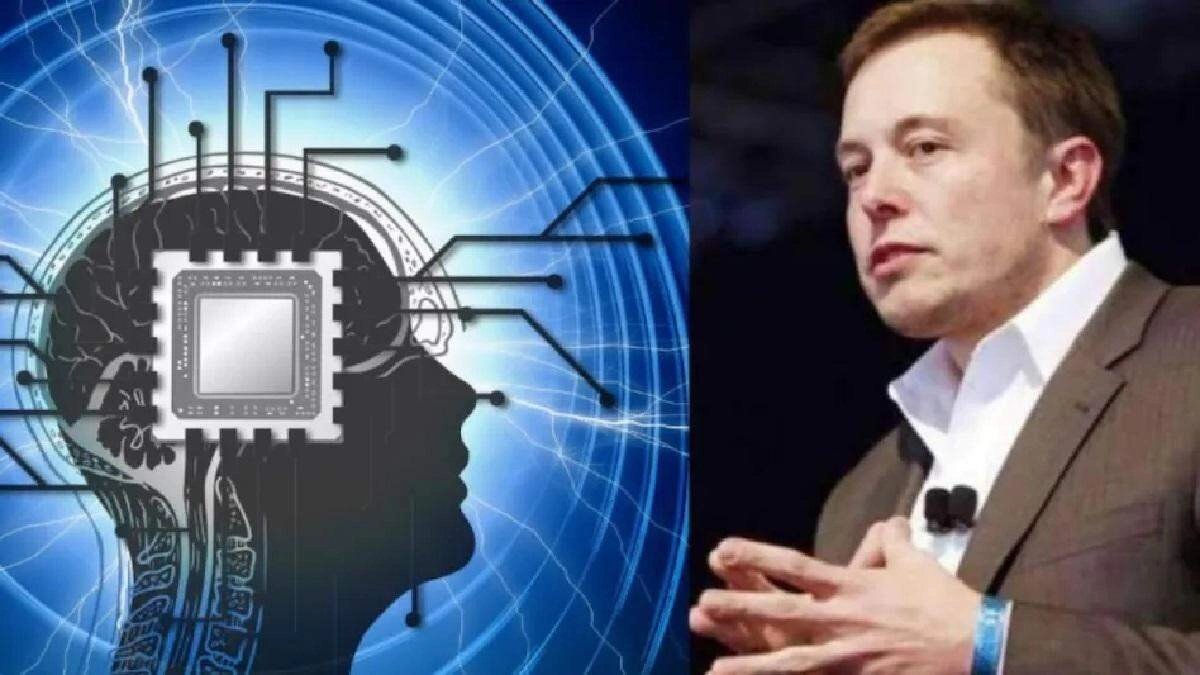
Elon Musk has stirred excitement and intrigue with his ambitious plans for Neuralink, a neurotechnology company he co-founded. The fundamental goal of Neuralink is to develop brain-machine interfaces that could enable direct communication between the human brain and computers. This groundbreaking technology aims to create a seamless link that could allow individuals to control devices and even their own bodies using only their thoughts. The potential applications of this technology are vast, ranging from medical treatments for neurological disorders to enhancing cognitive abilities.
Musk envisions that through Neuralink, individuals could potentially overcome various physical limitations. For instance, this technology could assist those suffering from paralysis by allowing them to control prosthetic limbs or even re-establish communication with their own bodies. The implications for healthcare are profound, as Neuralink could pave the way for innovative therapies for conditions such as Alzheimer’s, Parkinson’s, and spinal cord injuries. By interpreting brain signals and converting them into actionable commands, the technology could revolutionize the way we approach rehabilitation and assistive technologies.
However, the journey to realizing these ambitious goals is fraught with challenges. Ethical considerations arise concerning privacy, consent, and the potential for misuse of such powerful technology. Additionally, the technical hurdles of safely implanting devices in the human brain and ensuring their long-term functionality are significant. As Neuralink progresses, it will be crucial to navigate these challenges carefully while remaining transparent about the risks and benefits involved. Musk’s vision for a future where we can directly interface with machines raises profound questions about the nature of humanity and our relationship with technology, making it one of the most exciting fields to watch in the coming years.