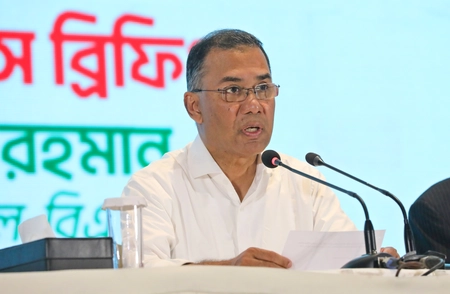
The political landscape in Bangladesh is poised for a significant shift as the Bangladesh Nationalist Party (BNP) is expected to form the next government. This development has garnered attention not only within the country but also among its neighboring nations, including Nepal, Bhutan, and Sri Lanka. The BNP, a major political party in Bangladesh, has a history of alternating power with the Awami League, and its return to governance could lead to changes in both domestic and foreign policies.
As the BNP prepares to take the reins, neighboring countries are closely observing the situation. Each nation has its own interests and concerns regarding the potential implications of a BNP-led government. For instance, Nepal, with its shared cultural and historical ties to Bangladesh, might welcome a stable government that promotes regional cooperation. Similarly, Bhutan and Sri Lanka may be evaluating how a change in leadership in Bangladesh could influence trade relations, security dynamics, and regional stability.
The BNP’s approach towards foreign policy, especially in relation to India and China, will be a focal point for these countries. Historically, the BNP has maintained a delicate balance between these two regional powers, and its strategies could set the tone for future diplomatic engagements. Moreover, the party’s stance on issues such as climate change, migration, and economic collaboration will be crucial in shaping the responses of its neighbors.
In conclusion, the formation of a BNP government in Bangladesh is likely to have far-reaching consequences, not just domestically but also across South Asia. The reactions from Nepal, Bhutan, and Sri Lanka will reflect their individual geopolitical strategies and the broader regional dynamics. The coming months will be critical in determining how these relationships evolve in the context of a new political regime in Bangladesh.