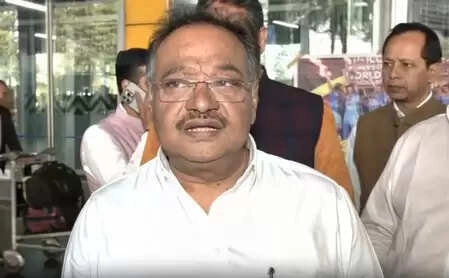
BJP has criticized Mamata Banerjee’s protests, asserting that they will not yield any significant results. Samik Bhattacharya, a prominent leader in the Bharatiya Janata Party, voiced his skepticism regarding the effectiveness of Banerjee’s demonstrations. He emphasized that mere protests and dharnas (sit-ins) would not bring about any meaningful change or resolution to the issues at hand. According to Bhattacharya, such actions are more about political theatrics rather than addressing the core problems facing the state and its citizens.
The BJP’s stance highlights a growing tension between the two political parties in West Bengal. Banerjee, who has been a vocal critic of the central government, often resorts to protests as a means of expressing dissent and rallying support among her constituents. However, Bhattacharya’s remarks suggest that the BJP believes these strategies are failing to resonate with the broader public, who may be looking for more tangible solutions rather than just symbolic gestures.
Bhattacharya’s comments reflect a larger narrative in Indian politics, where opposition parties frequently engage in protests to challenge the ruling government’s policies. The ongoing conflict between the BJP and Mamata Banerjee’s Trinamool Congress underscores the polarized political landscape in the country, where each party seeks to assert its dominance and influence over the electorate. As the political climate continues to evolve, the effectiveness of protests as a tool for change remains a contentious topic among political analysts and party supporters alike.