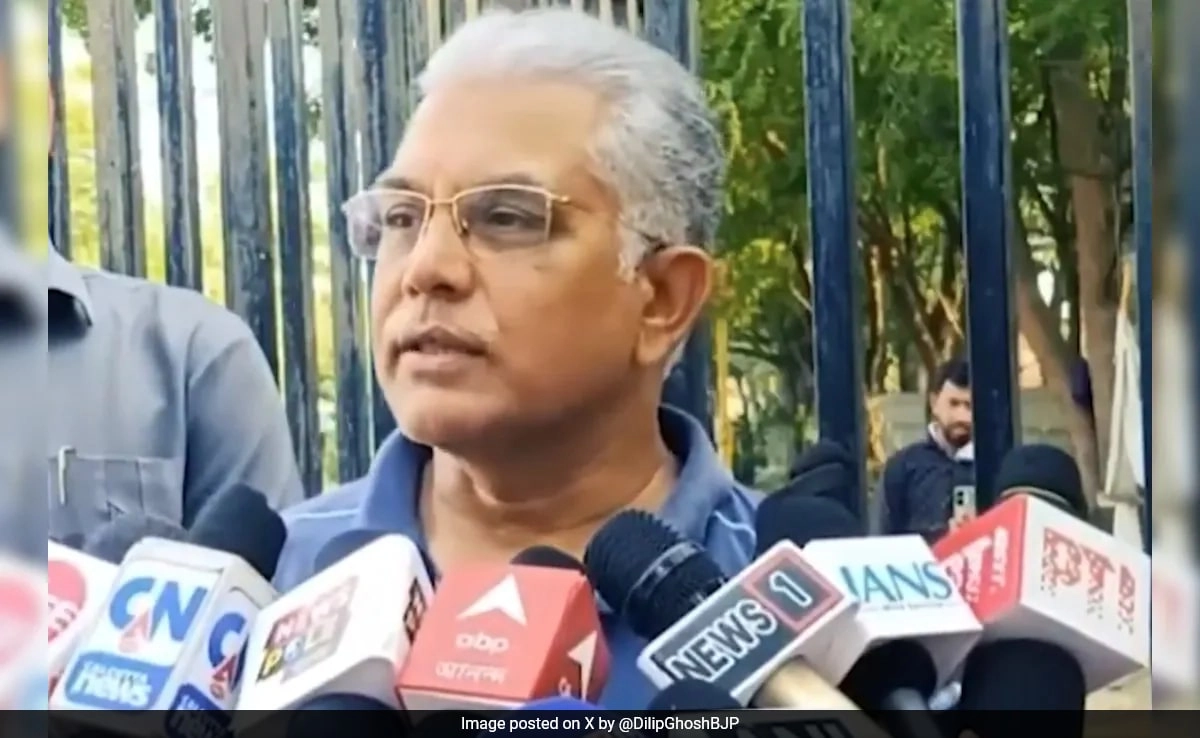
BJP leaders welcomed the decision to deny bail to Umar Khalid and Sharjeel Imam, two individuals at the center of significant political and social discussions in India. This decision comes against the backdrop of ongoing debates about national security, dissent, and the rights of individuals involved in protests and movements that have challenged the status quo. The BJP’s endorsement of this judicial ruling reflects its broader stance on issues related to national integrity and the government’s approach to handling dissenting voices.
Umar Khalid and Sharjeel Imam have been prominent figures in the anti-CAA protests, which garnered widespread attention across the country. Their involvement in these protests has made them subjects of intense scrutiny and controversy. The BJP leaders believe that denying bail serves as a crucial step in maintaining law and order, especially in the context of the protests that have often escalated into violence and unrest. They argue that such actions are necessary to uphold the rule of law and ensure that those who allegedly incite violence or disrupt public peace are held accountable.
This decision also underscores the polarized political landscape in India, where different parties have vastly differing views on freedom of expression and the right to protest. While BJP leaders celebrate this ruling, critics argue that it reflects a crackdown on dissent and an attempt to silence voices that challenge the government’s policies. The ongoing discourse surrounding this issue raises important questions about the balance between security and civil liberties in a democratic society. As the legal proceedings continue, the reactions from various political factions will likely shape the public narrative and influence future protests and governmental responses.