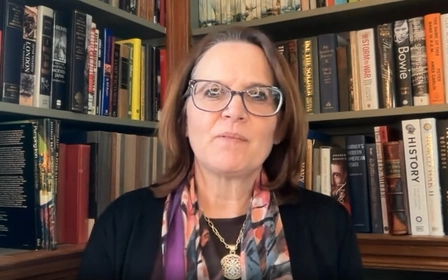
The recent developments in Bangladesh have marked a significant day for democracy, yet they have also raised new questions regarding the political landscape of the nation. Lisa Curtis highlights this duality, emphasizing that while there may be progress in democratic practices, the challenges that accompany such changes cannot be overlooked. The emergence of a more participatory political environment is encouraging, suggesting that the citizens of Bangladesh are becoming increasingly engaged in the democratic process.
However, with this newfound engagement comes a set of complexities that need careful consideration. Questions about the sustainability of these democratic advancements, the role of political institutions, and the protection of civil liberties remain pertinent. The situation calls for a thorough examination of how political power is distributed and exercised in the country. Additionally, the implications of such changes on societal cohesion and governance efficiency must be analyzed.
In this context, it is essential for both local and international observers to monitor the evolving political dynamics in Bangladesh. The success of democracy is not merely about holding elections or having multiple political parties; it also involves ensuring that the rights of citizens are upheld and that there is accountability within government structures. As Bangladesh navigates this crucial phase, the global community’s support and scrutiny will play a vital role in shaping the future of its democracy.
Ultimately, while the current moment may be viewed as a positive step towards a more democratic Bangladesh, it is essential to remain vigilant and proactive in addressing the underlying issues that could undermine these gains. The path to a robust democracy is fraught with challenges, and it will require concerted efforts from both the government and the populace to build a resilient political culture that truly reflects the will of the people.