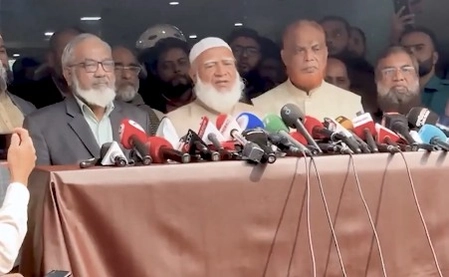
In Bangladesh, the role of the Jamaat-e-Islami party in the political landscape is under scrutiny, particularly concerning its discriminatory attitudes towards women. This has sparked a significant debate about the implications of such beliefs on gender equality and women’s rights within the country. Jamaat, known for its conservative Islamic ideologies, has long been criticized for its stance on women’s issues, often advocating for traditional roles that limit women’s participation in both public and political spheres.
The discussions surrounding Jamaat’s views on women have gained prominence as the nation grapples with the broader societal challenges of gender discrimination. Activists and women’s rights organizations have raised concerns about how Jamaat’s policies and rhetoric could undermine the progress made in advancing women’s rights in Bangladesh. The party’s influence in politics, particularly during elections and legislative processes, raises questions about the future of women’s representation and empowerment in a rapidly changing society.
Moreover, the debate extends beyond the immediate implications for women, touching on the fundamental principles of democracy and equality. Critics argue that any political party that promotes discriminatory ideologies is at odds with the principles of a just society. As Bangladesh continues to navigate its path towards modernization and socio-economic development, the role of parties like Jamaat becomes increasingly critical in determining the nation’s commitment to fostering an inclusive environment for all citizens, regardless of gender. The ongoing discourse surrounding Jamaat’s position on women not only reflects the current state of gender relations in Bangladesh but also highlights the need for continuous advocacy and reform to ensure that women’s voices are heard and represented in all spheres of life.