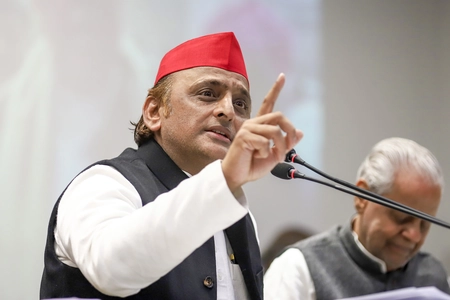
Akhilesh Yadav, the leader of the Samajwadi Party, has labeled the Uttar Pradesh budget as a “farewell budget.” This statement reflects his critical stance towards the financial plan presented by the ruling government. Yadav’s use of the term “farewell budget” suggests that he believes the budget is more about the outgoing government’s final attempts to showcase its achievements rather than a forward-looking financial strategy aimed at addressing the pressing needs of the state.
In his critique, Yadav emphasizes that the budget does not effectively tackle the challenges faced by the people of Uttar Pradesh. He argues that it lacks the vision and necessary provisions to stimulate growth, improve infrastructure, and enhance social welfare. Yadav’s comments are indicative of the broader political discourse surrounding budget presentations, where opposition parties often scrutinize the allocations and priorities set by the ruling party.
The designation of the budget as a “farewell” implies a sense of finality and suggests that the current administration may be more focused on leaving a legacy than on implementing sustainable policies. This perspective raises questions about the long-term impact of the budget on the state’s development and the welfare of its citizens. As the political landscape evolves, such statements from opposition leaders like Yadav play a crucial role in shaping public perception and influencing future electoral outcomes.
Ultimately, the discourse surrounding the budget is not just about numbers and fiscal policies; it is also deeply intertwined with political narratives and the aspirations of the electorate. Yadav’s characterization serves as a reminder of the importance of accountability and transparency in governance, as well as the need for budgets to reflect the needs and aspirations of the populace rather than merely serving as tools for political messaging.