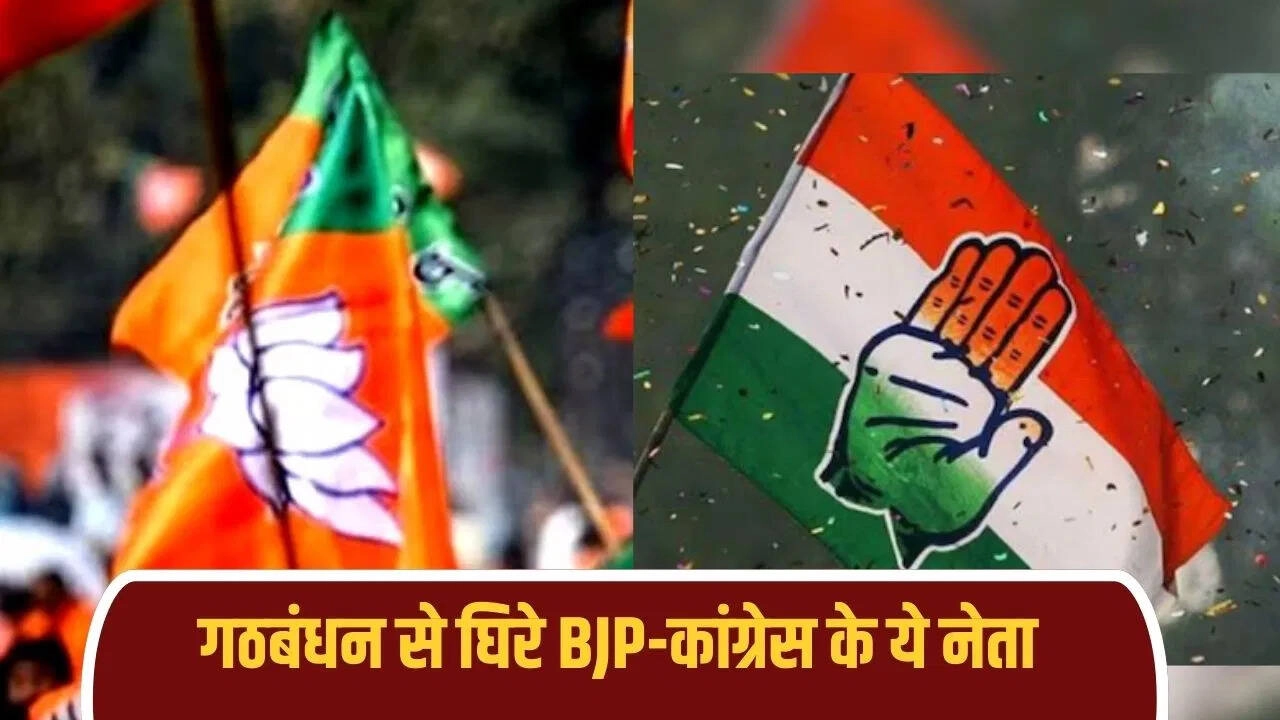
After the controversial ‘impure alliance’ in Maharashtra, the political landscape has seen a flurry of damage control efforts from major parties like the BJP, Congress, and AIMIM. The term ‘impure alliance’ refers to the uneasy coalitions and shifting loyalties that have characterized the state’s political dynamics in recent years. These developments have led to a re-evaluation of strategies by these parties, as they attempt to maintain their relevance and influence in a rapidly changing environment.
Key leaders have emerged in this tumultuous period, playing pivotal roles in reshaping Maharashtra’s political narrative. Their actions and decisions have not only influenced their respective parties but have also had a significant impact on the electorate. The BJP has focused on consolidating its base while also attempting to appeal to new demographics. The Congress, on the other hand, is trying to reclaim its position as a major player in the state, seeking to unite various factions within the party and attract disenchanted voters. AIMIM, with its unique positioning, has also sought to capitalize on the situation, emphasizing its commitment to represent the interests of marginalized communities.
This political maneuvering is indicative of a broader trend in Indian politics, where alliances are often formed and dissolved based on immediate electoral calculations rather than long-term ideological commitments. The leaders involved have had to navigate complex social and political landscapes, making strategic decisions that could have lasting implications for their parties and the state as a whole. As the situation evolves, observers are keenly watching how these dynamics will unfold and what new alliances or rivalries may emerge in the near future.