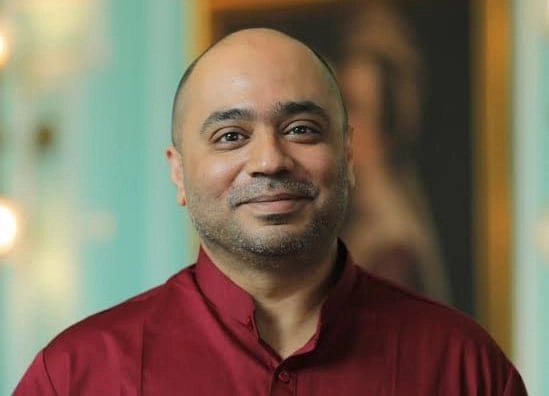
In a recent turn of events, commentator Abhijit Mitra has been given a deadline of five hours to delete posts that are critical of Newslaundry, a prominent digital news platform known for its focus on media critique and accountability. This development raises significant questions about free speech and the boundaries of criticism in the digital age. The situation underscores the delicate balance between holding media entities accountable for their actions and the potential repercussions faced by individuals who voice dissenting opinions.
The ultimatum issued to Mitra reflects a broader trend where media organizations are increasingly vigilant about their public image and are willing to take legal steps to protect it. In an era where social media can amplify voices—both supportive and critical—Newslaundry’s response could be seen as an attempt to control the narrative surrounding its reputation. However, this raises concerns about censorship and the implications of silencing dissenting voices, particularly in a democratic society where freedom of expression is a fundamental right.
Mitra’s posts likely contained critiques that Newslaundry deemed damaging or defamatory, prompting this swift action. This incident highlights the challenges faced by commentators and critics in navigating the complex landscape of media discourse. While Newslaundry has the right to defend itself against what it perceives as harmful commentary, the implications of such actions could deter individuals from expressing their views, fearing potential backlash or legal consequences.
As the deadline looms, observers will be watching closely to see how Mitra responds and whether he complies with the demand. This situation serves as a reminder of the power dynamics at play between media organizations and individual commentators, raising vital questions about the future of media criticism and the extent to which individuals can freely express their opinions without fear of retribution. Ultimately, this incident could set a precedent for how similar cases are handled in the future, as the lines between accountability and censorship continue to blur in the digital landscape.