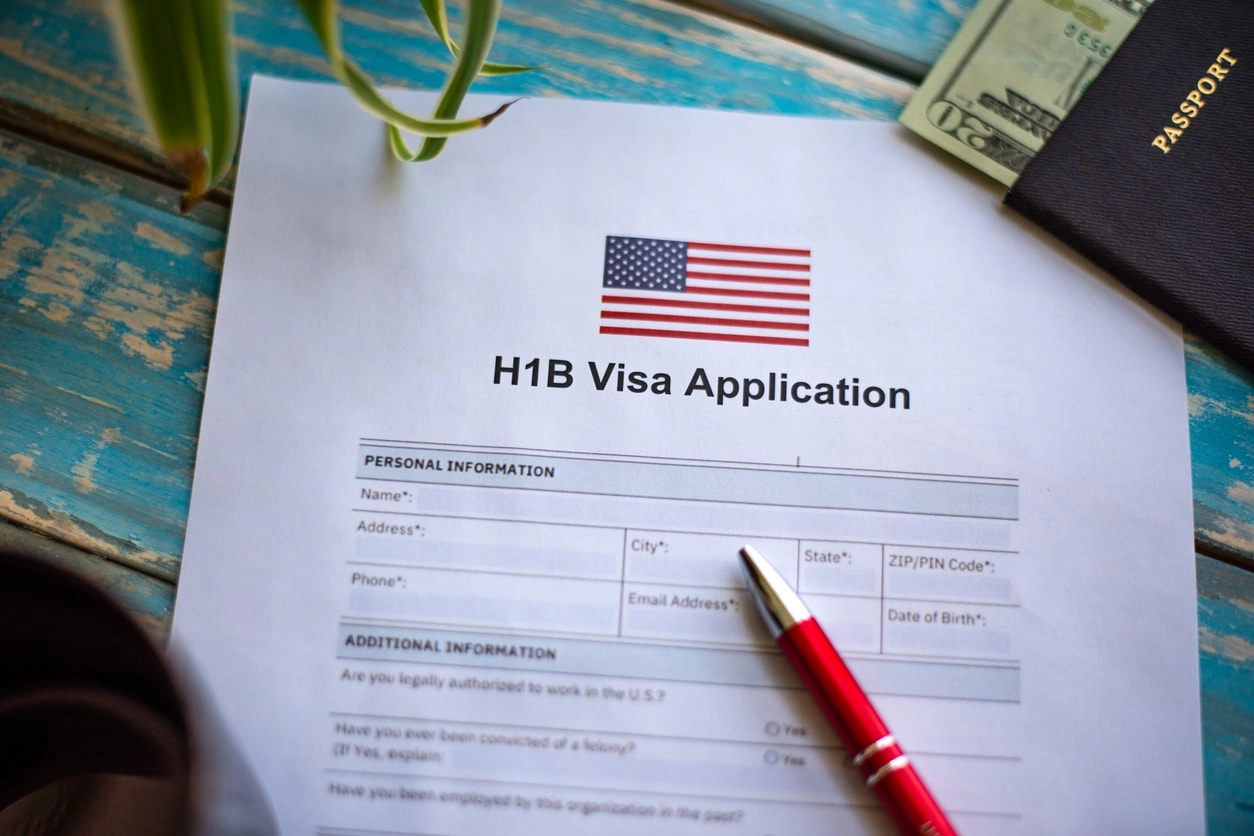
Many Indians residing in the United States are currently grappling with an overwhelming sense of anxiety and uncertainty due to the phenomenon known as “self-deportation.” This term refers to the situation where individuals choose to leave the country voluntarily, often out of fear of potential deportation or legal consequences that may arise from their immigration status. The apprehension is fueled by various factors, including changes in immigration policies, increased scrutiny by immigration authorities, and the overall political climate surrounding immigration issues. As a result, thousands of Indian nationals find themselves in a precarious position, contemplating the possibility of returning to their home country despite having built lives and careers in the U.S. This fear has profound implications, not only for their personal and professional aspirations but also for their families and communities. Many are concerned about the impact of such decisions on their children’s education and future opportunities. The emotional toll of living in fear of self-deportation is significant, as individuals navigate the complexities of their immigration status while trying to maintain a semblance of normalcy in their daily lives. This ongoing situation highlights the challenges faced by immigrant communities and underscores the urgent need for comprehensive immigration reform that addresses the fears and uncertainties experienced by individuals in similar circumstances.
Many Indians residing in the United States are currently grappling with an overwhelming sense of anxiety and uncertainty due to the phenomenon known as “self-deportation