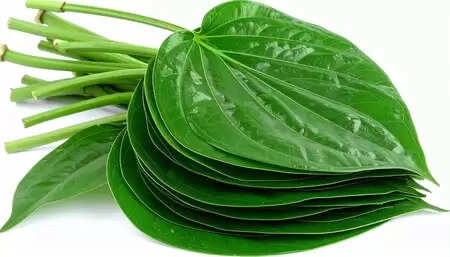
Betel leaves, often regarded as a simple addition to various cultural practices, hold significant health benefits that are worth exploring. Consumed in many parts of Asia, particularly in India, betel leaves have been cherished not only for their unique flavor but also for their medicinal properties. Here are seven notable advantages of incorporating betel leaves into your diet.
Firstly, betel leaves are known for their anti-inflammatory properties. They can help reduce swelling and pain, making them beneficial for individuals suffering from conditions like arthritis. Additionally, these leaves possess antimicrobial qualities that can aid in fighting infections, thereby promoting overall health. Their ability to improve oral health cannot be overlooked either. Chewing betel leaves can help combat bad breath and prevent dental issues due to their antibacterial effects.
Moreover, betel leaves are rich in antioxidants, which play a crucial role in protecting the body from oxidative stress and free radicals. This can contribute to better skin health, as antioxidants help in delaying the signs of aging and enhancing the skin’s natural glow. Furthermore, betel leaves can aid digestion; they are often used in traditional remedies to alleviate digestive problems and improve gut health.
In addition to these benefits, betel leaves are believed to have a positive effect on mental health. The leaves are known to have mood-enhancing properties, which can help reduce stress and anxiety. Incorporating betel leaves into your routine, whether through chewing them or adding them to dishes, can offer a holistic approach to health and well-being. In conclusion, the humble betel leaf is far more than just a culinary ingredient; it is a treasure trove of health benefits that can enhance various aspects of life.