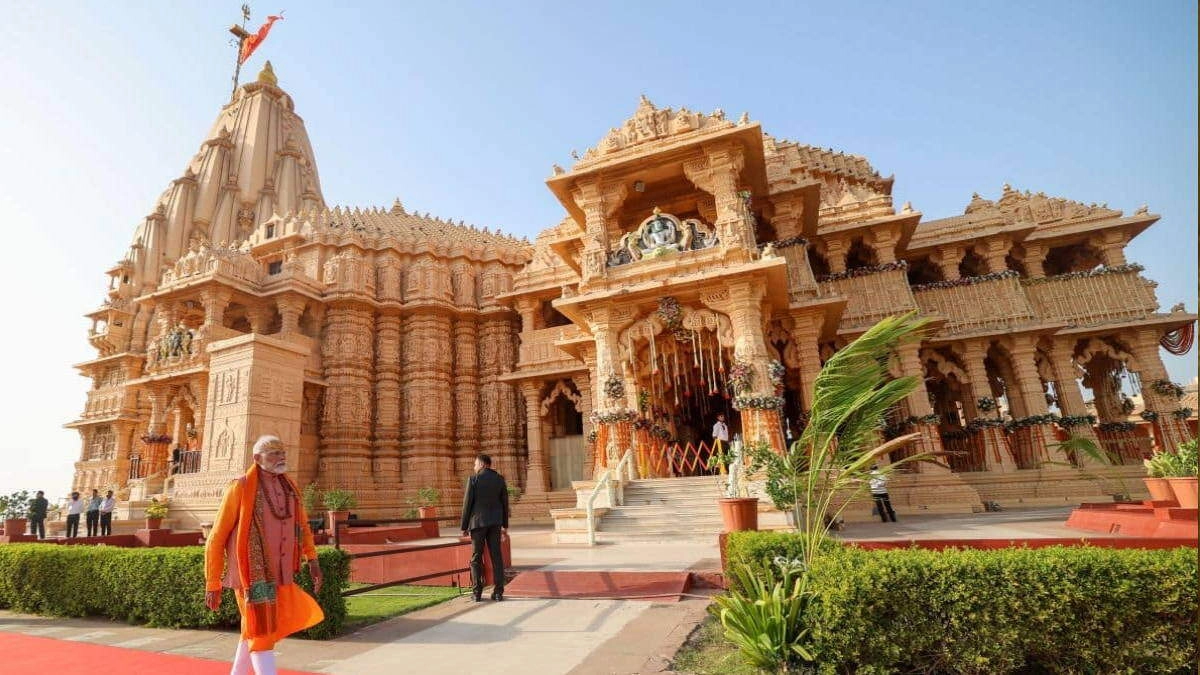
The Somnath Temple, one of the most revered Hindu shrines, has a storied history marked by resilience and conflict. Over the past millennium, this temple has faced numerous assaults, most notably from Mahmud of Ghazni, who attacked it 17 times. These invasions not only aimed at looting its immense wealth but also sought to undermine the cultural and religious significance of the temple. The relentless attacks on Somnath Temple symbolize a broader struggle between different ideologies and the enduring spirit of faith among devotees.
From a historical perspective, the temple holds immense significance. It is believed to be one of the twelve Jyotirlingas, sacred representations of Lord Shiva. Ancient texts and scriptures highlight the temple’s importance, illustrating how it was not merely a place of worship but also a center of learning and culture. The relentless attacks by Mahmud of Ghazni serve as a reminder of the temple’s prominence and the threat it posed to invading forces. Despite the destruction it faced, the temple has been rebuilt several times, each restoration symbolizing the indomitable spirit of its followers who refuse to let their cultural heritage fade away.
In contemporary discussions, the Somnath Temple stands as a symbol of resilience and revival. The historical accounts of its repeated destruction and subsequent rebuilding inspire a sense of pride and devotion among Hindus. The temple’s narrative is not only about the physical structure but also reflects the broader themes of cultural identity, faith, and perseverance in the face of adversity. As we acknowledge the 1000 years since these attacks, it is essential to appreciate the temple’s role in the cultural and spiritual landscape of India, reminding us of the enduring significance of heritage and the importance of safeguarding it for future generations.