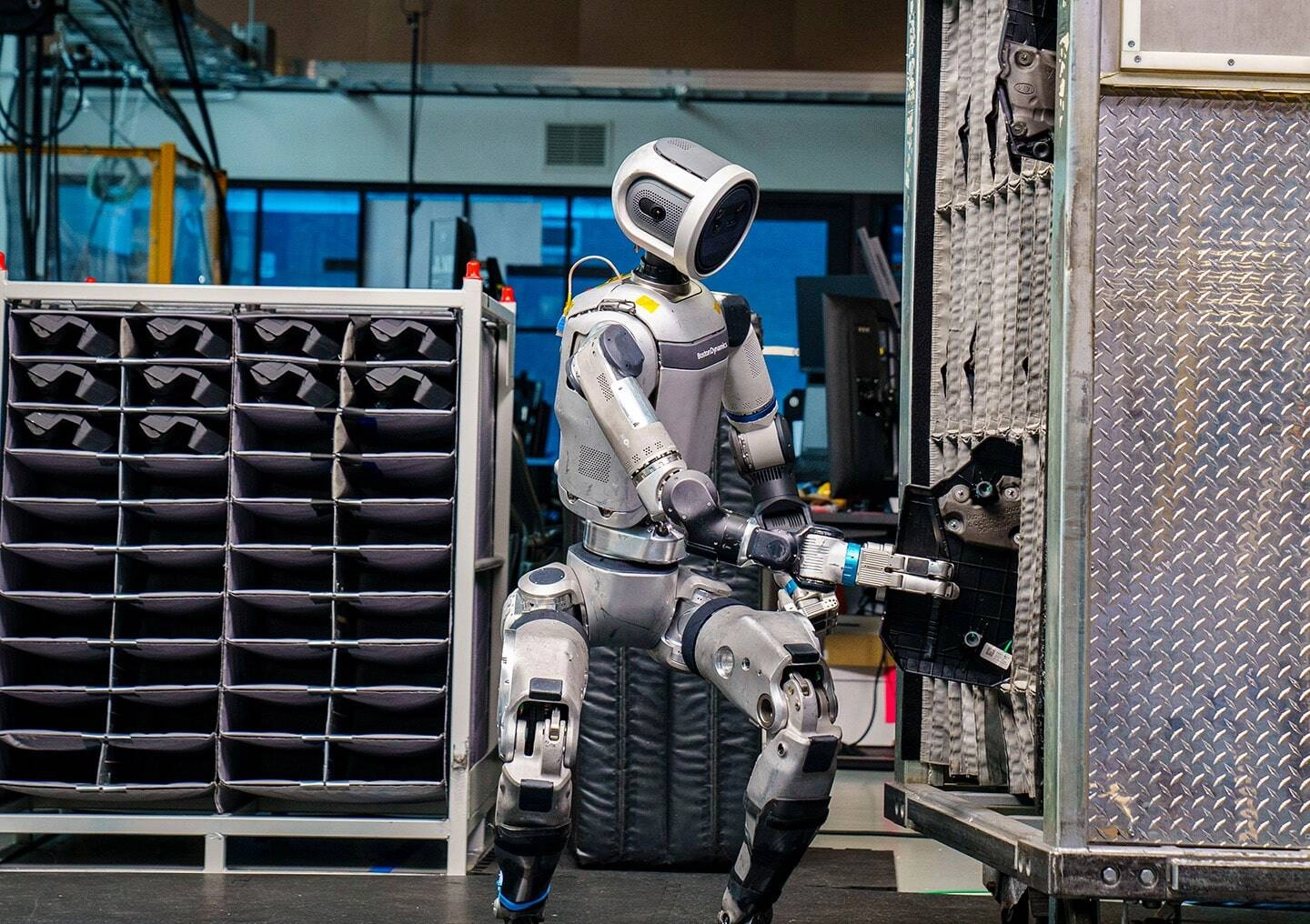
The humanoid robot, capable of performing a wide array of tasks ranging from household chores to car manufacturing, has become a remarkable symbol of technological advancement. These robots are designed with sophisticated algorithms and advanced artificial intelligence, enabling them to execute various functions efficiently. From cleaning and cooking to assembling complex machinery, their versatility is astounding.
One of the key features of these humanoid robots is their ability to learn and adapt to different environments. Equipped with sensors and cameras, they can perceive their surroundings and interact with objects and people seamlessly. This adaptability allows them to take on roles in various sectors, including healthcare, education, and manufacturing. For instance, in a domestic setting, they can assist with cleaning, organizing, and even cooking, making them invaluable companions for busy households.
In industrial contexts, humanoid robots can be programmed to work alongside humans, enhancing productivity and safety on the factory floor. They can perform repetitive tasks with precision and speed, reducing the risk of human error and increasing efficiency. This capability not only streamlines operations but also allows human workers to focus on more complex tasks that require critical thinking and creativity.
The development of humanoid robots raises important questions about the future of work and the role of technology in our lives. As these machines become more integrated into our daily routines, it is essential to consider the ethical implications and the impact on employment. Nevertheless, the potential benefits of humanoid robots, from improving quality of life to driving innovation in various industries, are undeniable. As we continue to explore their capabilities, it is clear that these robots will play an increasingly significant role in shaping our future.