
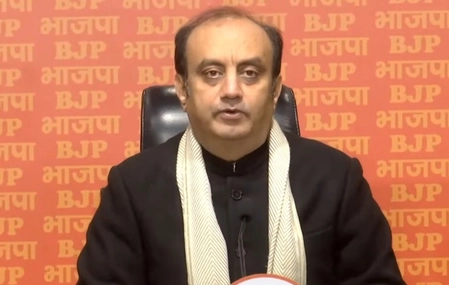
Sudhanshu Trivedi has made a notable statement regarding Jawaharlal Nehru’s stance on religious structures in India, specifically highlighting his approach to the repair of mosques and his opposition to the Somnath Temple reconstruction. Trivedi emphasized that Nehru was not averse to the repair and maintenance of mosques, indicating a level of respect for Islamic heritage and architecture. This reflects a broader narrative in Indian history, where leaders like Nehru aimed to cultivate a secular identity for the nation, balancing the diverse religious sentiments present in the country.
However, the contrasting stance Nehru took towards the Somnath Temple has sparked discussions about his political motivations and the implications of his decisions. The Somnath Temple, a significant Hindu pilgrimage site, was in ruins and its reconstruction was seen as a symbol of Hindu revivalism. Nehru’s opposition to this initiative suggests a complex interplay between his vision of a secular India and the demands of a rising Hindu identity in the post-independence era. This dichotomy raises questions about how political leaders navigate religious sentiments while trying to maintain national unity.
Trivedi’s comments invite further examination of Nehru’s policies and the ongoing discourse about religion and politics in India. They remind us that the relationship between governance and religion is intricate and often contentious. Understanding Nehru’s approach to religious sites can shed light on the challenges faced by contemporary leaders as they strive to honor the diverse tapestry of beliefs that characterize Indian society. Ultimately, this discussion is not only about historical figures but also about the enduring relevance of their choices in today’s socio-political landscape.


