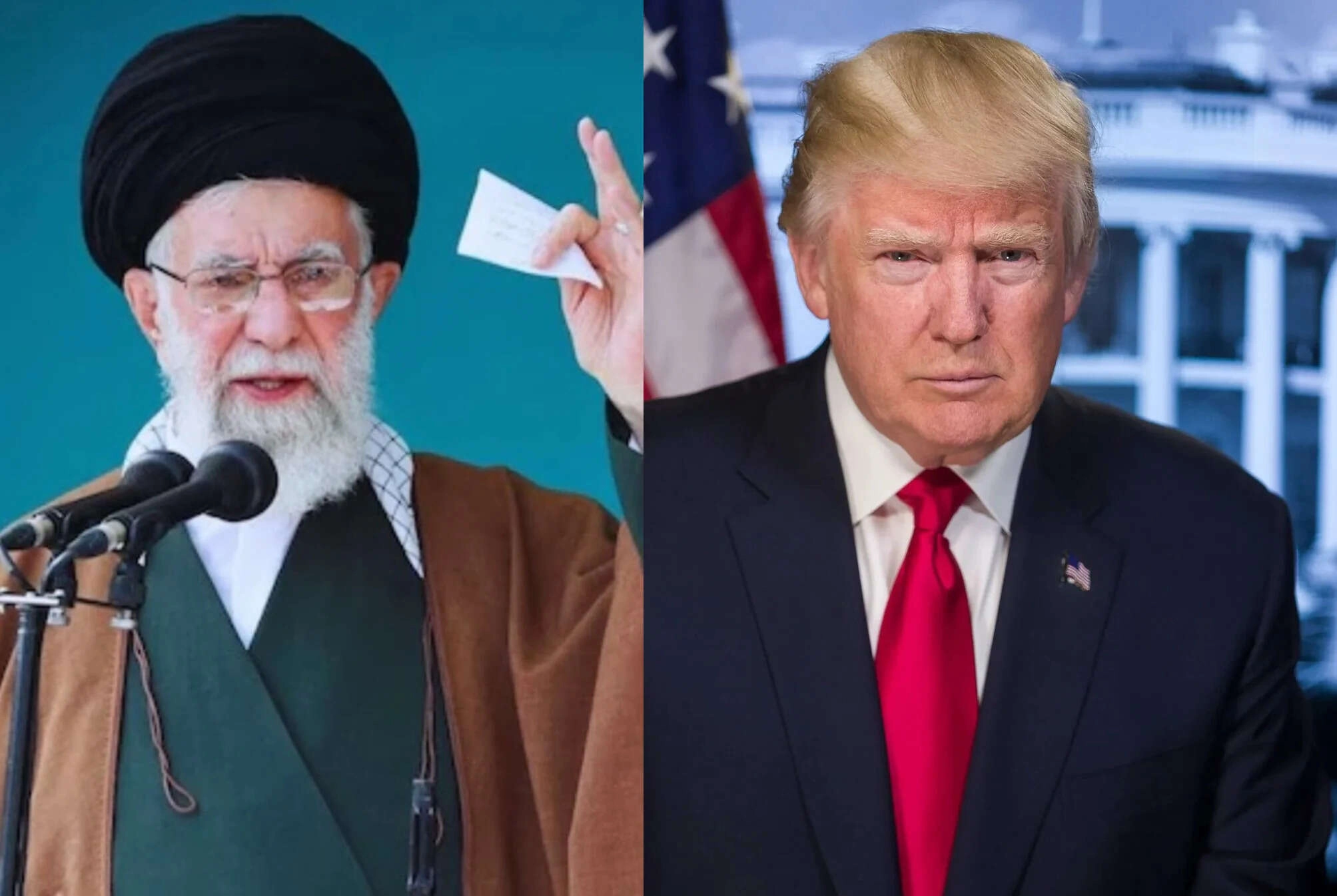
Iranian Supreme Leader Ayatollah Ali Khamenei has issued a stern warning to the United States, highlighting the tensions between the two nations amidst ongoing protests in Iran. Khamenei’s remarks reflect his concerns about foreign influence and interference in Iranian affairs, suggesting that the U.S. is attempting to exploit the situation to destabilize the Islamic Republic. His statement emphasizes Iran’s resilience against external pressures and the government’s commitment to maintaining order amidst the unrest. Khamenei’s rhetoric serves to rally support for the regime, portraying the protests as attempts by foreign powers to undermine Iran’s sovereignty.
In contrast, Reza Pahlavi, the son of the last Shah of Iran, has reached out to former President Donald Trump, seeking assistance in the face of the current upheaval in Iran. Pahlavi’s appeal underscores the deep divisions within the country and the varying perspectives on how to address the challenges it faces. His call for support from an influential figure like Trump suggests that he believes international backing could play a crucial role in the opposition’s efforts to bring about change in Iran. The involvement of external actors raises questions about the legitimacy and direction of the protests, as well as the potential for a broader movement toward regime change.
As the situation in Iran unfolds, the possibility of a coup or significant political upheaval remains a topic of speculation. The protests, fueled by dissatisfaction with the government and calls for reform, have garnered attention both domestically and internationally. Observers are closely monitoring how these developments may shape the future of Iran and whether they could lead to a change in leadership. The contrasting positions of Khamenei and Pahlavi highlight the complexities of the Iranian political landscape, where internal dissent is met with fierce resistance from the ruling powers, while external support is sought by those advocating for a new direction.