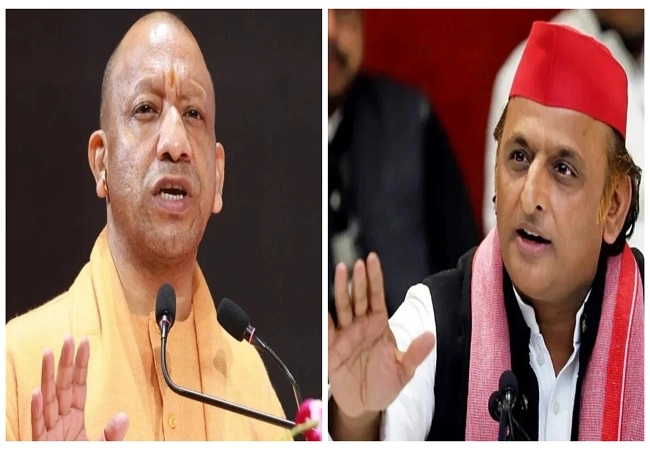
A heated conflict has erupted between Chief Minister Yogi Aditya Nath and former Uttar Pradesh Chief Minister Akhilesh Yadav, centering around the controversial issue of codeine syrup. The situation has escalated as both leaders engage in a war of words, with each accusing the other of negligence and wrongdoing regarding the management and distribution of this regulated substance. The codeine syrup case, which has drawn significant public attention, has become a political battleground, with each leader attempting to leverage the controversy to undermine the other’s credibility.
Yogi Aditya Nath has accused Akhilesh Yadav’s administration of failing to enforce regulations that would prevent the misuse of codeine syrup, suggesting that the previous government allowed unchecked access to this potentially dangerous medication. In response, Akhilesh Yadav has fired back, claiming that the current administration is attempting to shift blame for its own failures onto his tenure. He argues that Yogi’s government has not implemented effective measures to address the issue, thereby exacerbating the problem instead of solving it.
The accusations have sparked a broader discussion about public health and safety, particularly concerning the regulation of pharmaceuticals. As both leaders continue their verbal sparring, the public remains concerned about the implications of the codeine syrup controversy. It raises critical questions about accountability and the responsibilities of government officials in safeguarding public health. This ongoing dispute not only highlights the political tensions between the two parties but also reflects the urgent need for comprehensive policies to regulate substances like codeine syrup effectively.
As the allegations and counter-allegations unfold, the political ramifications could be significant for both Yogi Aditya Nath and Akhilesh Yadav. With the public closely watching, the outcome of this conflict may influence voter sentiment and impact future elections in Uttar Pradesh. The need for responsible governance and effective public health strategies has never been more apparent, and how these leaders respond to the crisis could define their political legacies.