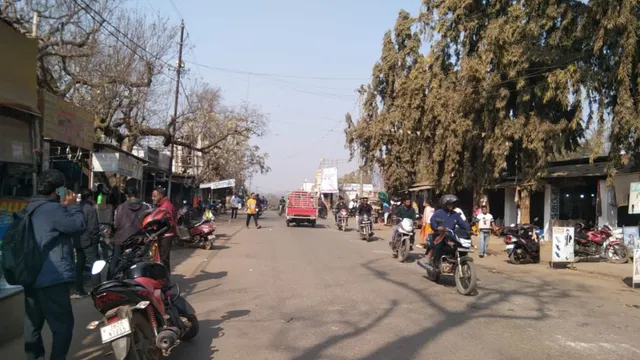
In recent days, workers and farmers across various regions have organized large-scale protests, taking to the streets to voice their demands and frustrations. The demonstrations have gained significant traction, with participants calling for better wages, improved working conditions, and greater support for the agricultural sector. This wave of activism has also seen many public transportation systems come to a halt, as bus services were suspended in numerous states in solidarity with the striking workers. The collective action has highlighted the struggles faced by laborers and farmers, who are increasingly feeling the pressures of economic instability and the rising cost of living.
The impact of these protests has been widespread, affecting daily life in urban and rural areas alike. In cities, public transportation disruptions have made commutes more challenging, while businesses reliant on the steady flow of workers have experienced decreased customer traffic. Rural communities, particularly those that depend on agriculture, have also felt the ramifications, as farmers rally together to demand fair prices for their produce and more equitable policies from the government. The protests serve as a stark reminder of the interconnectedness of various sectors and the essential role that workers and farmers play in the economy.
As the protests continue, there is growing attention from media outlets and policymakers. The participants are not just advocating for immediate changes; they are also calling for a broader examination of labor rights and agricultural policies. This movement has sparked conversations about sustainability, food security, and the need for systemic reforms that can benefit both workers and farmers in the long term. The solidarity shown by different groups has inspired many, indicating a potential shift in public sentiment towards more robust support for labor rights and agricultural sustainability. As this situation unfolds, it remains to be seen how government officials will respond to these demands, and what lasting changes may emerge from these significant demonstrations.