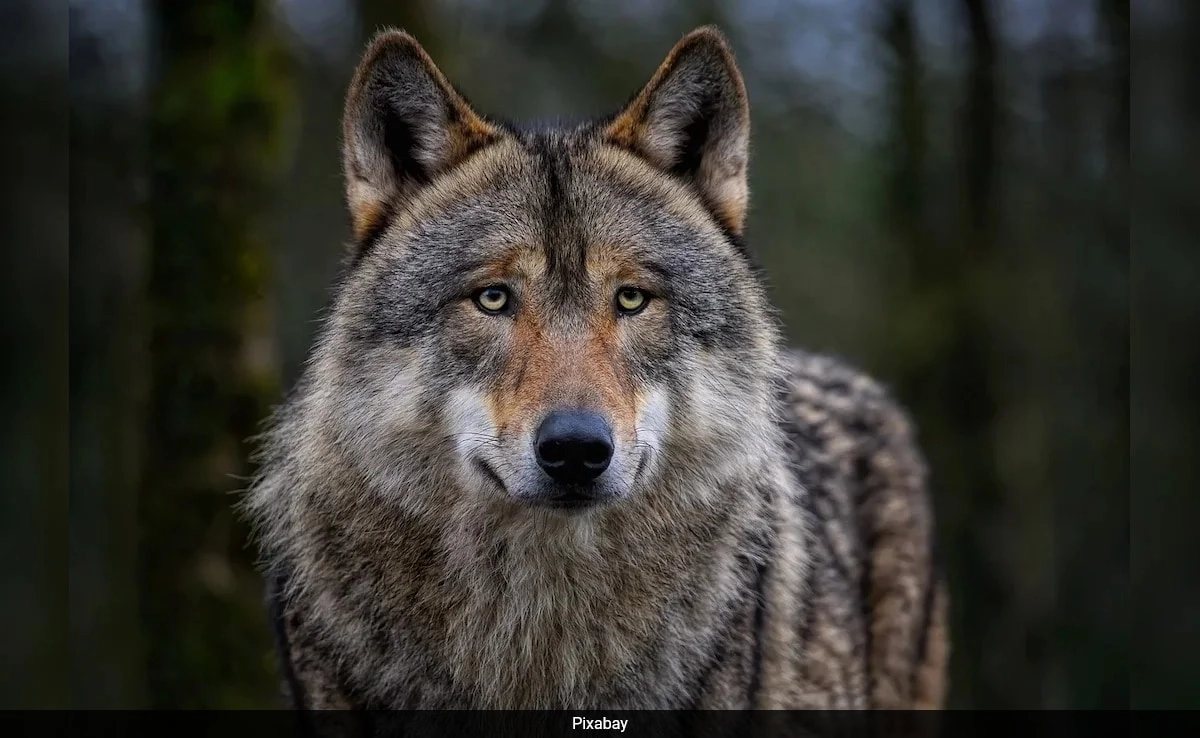
In a shocking series of events in Bahraich, Uttar Pradesh, two individuals lost their lives, and nine others sustained injuries due to wolf attacks. These incidents have sent shockwaves through the local community and prompted authorities to heighten their vigilance in the region. The attacks reportedly occurred in rural areas where wolves are not commonly seen, raising concerns about the animals’ behavior and their increasing proximity to populated areas.
Local officials have confirmed that the fatalities occurred when two villagers were attacked while they were out in the fields, tending to their daily chores. The injured victims, some of whom were also engaged in agricultural activities, were quickly rushed to nearby hospitals for treatment. The injuries varied in severity, with some requiring immediate medical attention due to deep lacerations and bites. The local administration has mobilized resources to assist the affected families, providing them with necessary support and medical care.
In response to the alarming situation, wildlife officials and the local administration have initiated measures to prevent further attacks. They are actively monitoring the wolf population in the area and assessing the potential risks posed by these wild animals. Community awareness programs are being organized to educate residents about safety measures and how to react if they encounter wolves. Authorities are also urging locals to avoid venturing out alone in the fields, especially during dusk and dawn when wolves are most active.
The recent wolf attacks have raised concerns about the balance between wildlife and human encroachment on natural habitats. As urban areas expand into previously wild regions, conflicts between humans and wildlife tend to escalate. It is crucial for both the government and local communities to work together to find viable solutions that ensure safety while respecting the natural behaviors of wildlife. The situation in Bahraich serves as a reminder of the complexities involved in wildlife management and the need for ongoing dialogue about coexistence with nature.