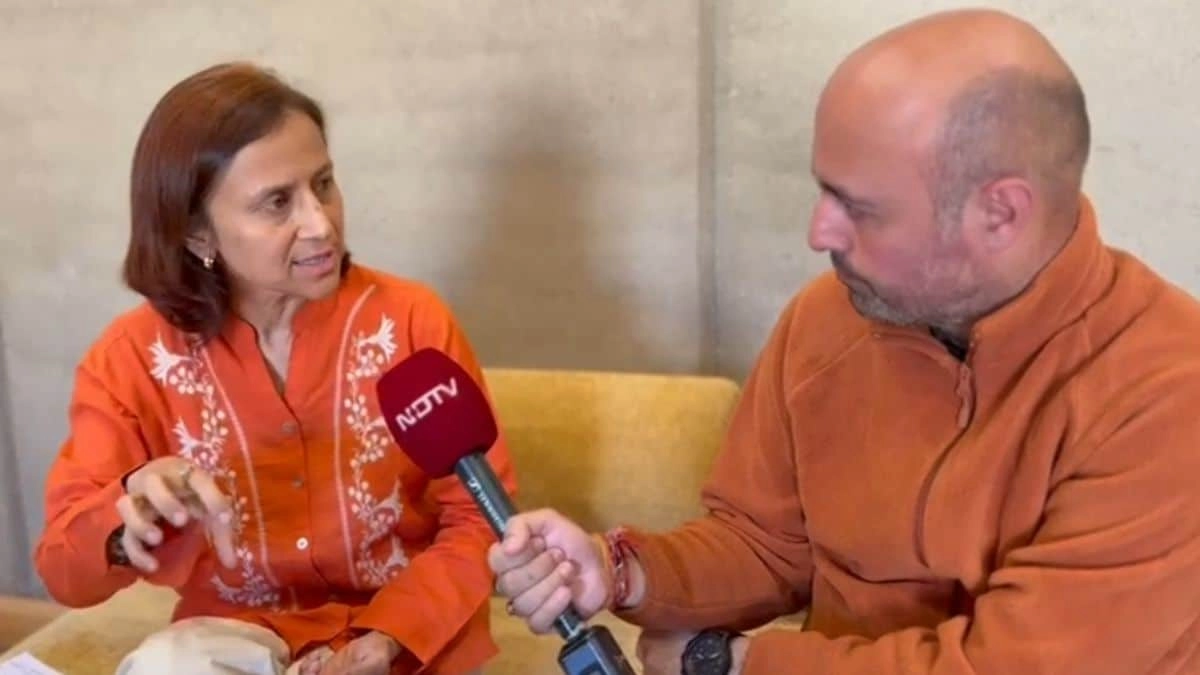
In a recent turn of events, Sonam Wangchuk’s wife has come forward to address allegations that have emerged against her husband, asserting that the so-called “witch hunt” against him began four years ago. Wangchuk, an influential figure known for his work in education reform and environmental advocacy in Ladakh, has found himself at the center of controversy, prompting his spouse to defend his character and contributions to society. She emphasizes that the accusations are not merely unfounded but part of a broader narrative aimed at discrediting him and undermining his achievements.
The allegations against Sonam have sparked significant media attention, leading to a polarized public opinion. His wife argues that these claims are not isolated incidents but rather a culmination of sustained attacks that target not just her husband but the values he stands for. She highlights the importance of understanding the context in which these allegations arise, suggesting that they reflect deeper societal tensions and resistance to the progressive changes Wangchuk advocates. With his work often challenging traditional norms, it is no surprise that he has garnered both fervent supporters and vocal critics.
In her defense, Sonam’s wife calls for a more nuanced perspective on the situation, urging the public to consider the motivations behind the accusations. She underscores the necessity of distinguishing between legitimate critique and malicious intent, especially in a climate where public figures are frequently subjected to scrutiny. This “witch hunt,” as she describes it, is emblematic of a larger struggle within society, where innovative thinkers may face backlash for their efforts to bring about change. By sharing her thoughts, she hopes to rally support not only for her husband but for all those who strive to challenge the status quo and improve their communities.
Ultimately, the unfolding drama surrounding Sonam Wangchuk serves as a reminder of the complexities involved in public life and the potential consequences of standing out in a world that often resists change. As his wife continues to advocate for her husband, the narrative surrounding Wangchuk may evolve, but the underlying themes of resilience, advocacy, and the fight against injustice are likely to remain central to their story.