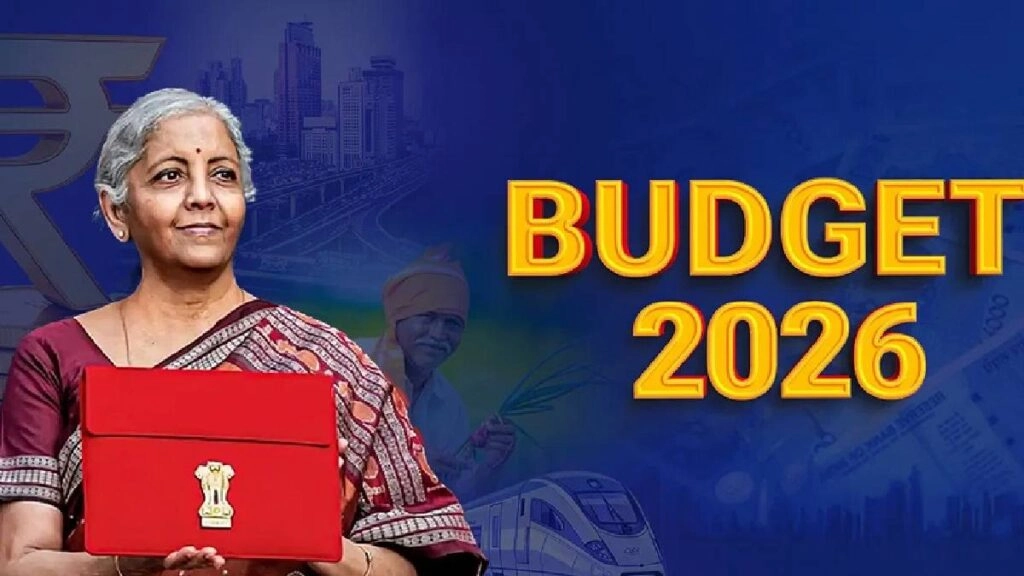
The Halwa ceremony is a traditional event that takes place just before the presentation of the budget in India. This ceremony holds significant cultural and ceremonial importance, as it symbolizes the preparation and readiness of the government’s financial plans for the upcoming fiscal year. The ritual often involves the preparation of a special sweet dish known as Halwa, which is made from semolina, sugar, and ghee, and is typically prepared in large quantities. This sweet treat is not only a culinary delight but also serves as a metaphorical offering of goodwill and prosperity, signifying the government’s hopes for a successful budget.
The Halwa ceremony is steeped in tradition, and it marks the commencement of the budget-making process. It is usually attended by key officials from the Ministry of Finance, including the Finance Minister, who take part in the cooking and distribution of the Halwa. This event fosters a sense of camaraderie among the officials and signifies their collective effort in crafting a budget that aims to address the nation’s economic needs and aspirations. The sweetness of the Halwa is emblematic of the government’s intentions to foster growth, stability, and welfare for its citizens.
Moreover, the Halwa ceremony serves a practical purpose as well. It is a symbolic gesture that indicates the finalization of the budgetary documents. Once the Halwa is prepared, the officials involved are typically restricted from leaving their work until the budget has been presented to Parliament. This act of seclusion underscores the seriousness and dedication required in the budget-making process, as officials concentrate on their tasks without distractions. The ceremony not only adds a festive touch to a serious undertaking but also reinforces the importance of accountability and transparency in governance.
In essence, the Halwa ceremony is more than just a culinary event; it encapsulates the spirit of teamwork, dedication, and the hopes of a nation as it embarks on a new fiscal journey. The ritual serves as a reminder of the responsibilities shouldered by the government in managing the economy while striving to meet the aspirations of its citizens. As such, it has become a cherished tradition that connects the past, present, and future of India’s financial governance, marking the beginning of a crucial chapter in the nation’s economic narrative.