The completion of the India-EU trade deal after 18 years of negotiations can be attributed to a combination of evolving geopolitical dynamics, economic necessity, and strategic interests. Initially, talks began in 2007, but various challenges, including differences over tariffs, market access, and regulatory standards, hindered progress. Both parties had to navigate complex political landscapes and domestic pressures that often complicated the negotiation process. However, recent global events, such as the COVID-19 pandemic and shifts in international trade patterns, have highlighted the need for countries to diversify their trade partnerships, making the deal more urgent.
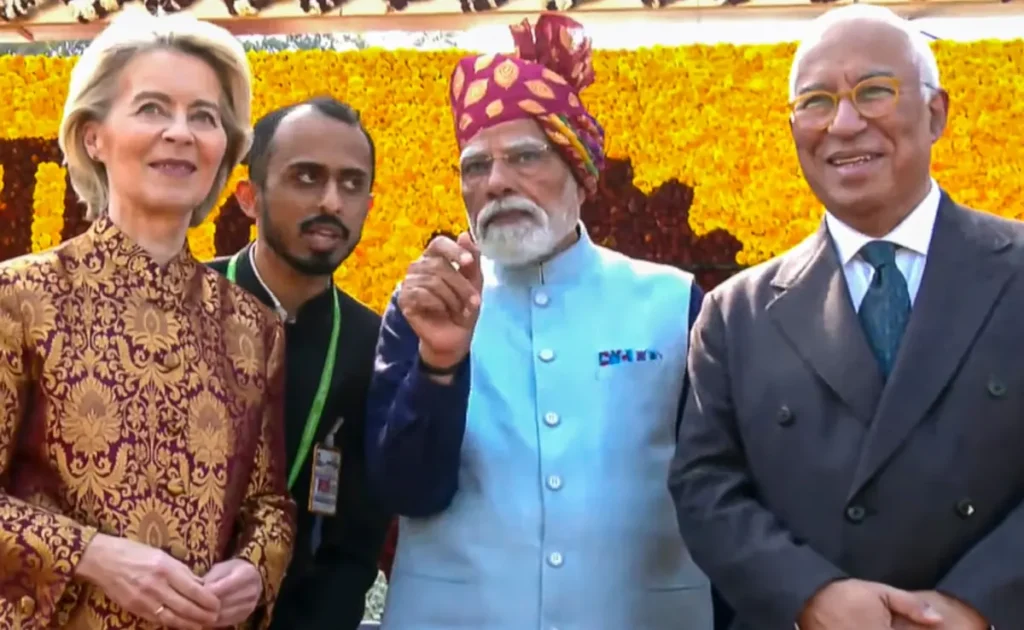
In recent years, India and the European Union have recognized the mutual benefits that a comprehensive trade agreement could bring. For India, gaining access to the European market is crucial for its economic growth and aspirations to become a global manufacturing hub. The EU, on the other hand, sees India as a key partner in its efforts to strengthen its economic ties in Asia and counterbalance the influence of other global powers, particularly China. This mutual interest has provided the necessary impetus to finally conclude the long-stalled negotiations.
Moreover, both sides have shown a willingness to compromise on contentious issues. India has agreed to lower tariffs on certain goods, while the EU has offered concessions related to investment and services. The focus has shifted from a purely economic perspective to also include broader strategic dimensions, such as sustainability, labor rights, and technology cooperation. This holistic approach has facilitated dialogue and fostered a cooperative atmosphere, making the completion of the trade deal more attainable.
Ultimately, the conclusion of the India-EU trade deal after nearly two decades is a reflection of changing global trade dynamics and the recognition of the importance of strong bilateral relationships. As both sides move forward, the successful implementation of this agreement will be crucial in fostering economic growth and enhancing political ties between India and the European Union. The deal not only signifies a milestone in their relationship but also sets the stage for future collaborations in various sectors, reinforcing the idea that long-term partnerships can yield significant benefits in an increasingly interconnected world.