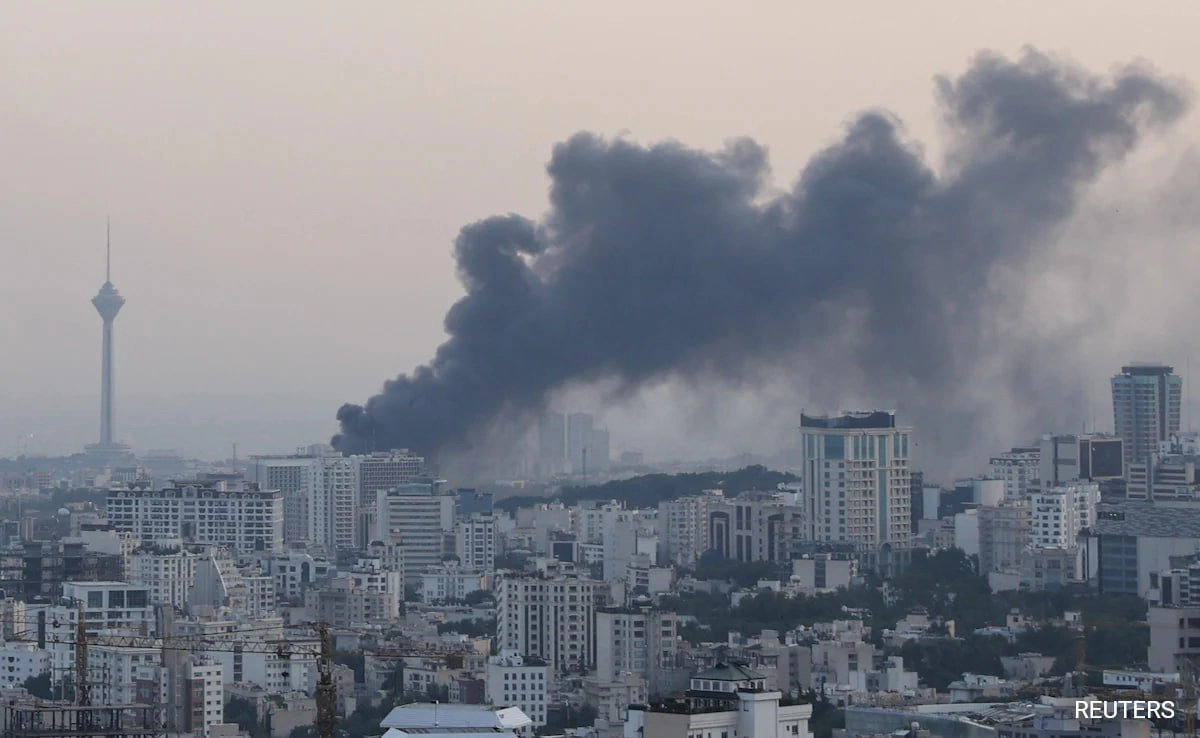
The idea of a “forever war” has become a prominent topic in contemporary political discourse, particularly in the context of U.S. foreign policy. The notion typically refers to military engagements that seem to stretch indefinitely, often with no clear objectives or endpoints. In this light, one cannot help but ponder whether former President Donald Trump has inadvertently initiated another such conflict. His approach to foreign relations and military strategy has raised questions about the sustainability and ethical implications of prolonged engagements in various regions.
During Trump’s presidency, the U.S. saw a significant shift in its approach to international relations, characterized by a focus on “America First.” This policy often translated into a more isolationist stance, yet it also included a willingness to use military force to protect American interests. The withdrawal from Afghanistan, while celebrated by many as a long-overdue decision, also left a power vacuum that could lead to further conflict. Critics argue that this withdrawal, coupled with Trump’s unpredictable foreign policy, has set the stage for instability in regions that have long been fraught with conflict, potentially dragging the U.S. back into a cycle of endless military engagements.
Moreover, Trump’s rhetoric around threats posed by various nations and non-state actors has often been alarmist, suggesting a readiness to engage militarily rather than pursue diplomatic solutions. This approach not only risks entangling the U.S. in new conflicts but also complicates relationships with allies who may not share the same aggressive stance. The ramifications of such a strategy could be profound, leading to a series of military actions that lack coherence or a clear exit strategy, thereby embodying the very essence of a “forever war.”
As we assess the implications of Trump’s foreign policy, it becomes increasingly crucial to consider the long-term consequences of his decisions. Are we witnessing the dawn of another conflict that could stretch on for years, draining resources and lives without a definitive resolution? The potential for an ongoing military presence in volatile regions raises ethical questions about the U.S.’s role and responsibility in the world. If we are to avoid the pitfalls of past engagements, it is essential that future policymakers learn from history and prioritize diplomatic avenues over military intervention, ensuring that we do not repeat the mistakes that have led to prolonged conflicts in the past.