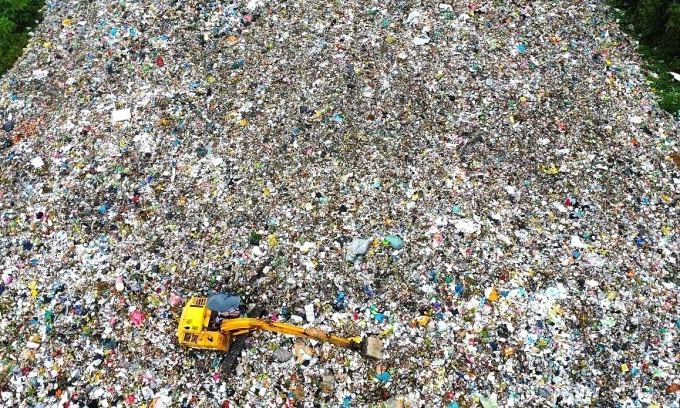
A province in Vietnam has recently given the green light for the construction of a state-of-the-art waste-to-energy plant, which represents a significant investment of $70 million. This facility is designed to tackle the pressing issue of waste management in the region by processing up to 600 tons of trash daily. The initiative aims to not only reduce the volume of waste that ends up in landfills but also to generate renewable energy from the waste materials, thereby contributing to the province’s sustainable development goals.
The waste-to-energy plant will utilize advanced technology to convert solid waste into electricity, providing a dual benefit of waste reduction and energy generation. This project aligns with Vietnam’s broader environmental strategies, which focus on improving waste management practices, reducing pollution, and promoting the use of renewable energy sources. By transforming waste into a valuable resource, the plant is expected to significantly diminish the environmental impact of waste disposal in the province and enhance the local energy supply.
Local authorities are optimistic about the potential benefits of this project, not only in terms of environmental sustainability but also for economic growth. The construction and operation of the plant will create numerous job opportunities for residents, boost local businesses, and stimulate investment in related sectors. Furthermore, the successful implementation of this waste-to-energy initiative could serve as a model for other regions in Vietnam, encouraging similar projects that prioritize sustainable waste management and energy production. Overall, this development is a critical step towards a cleaner, greener future for the province and its inhabitants.